The short answer
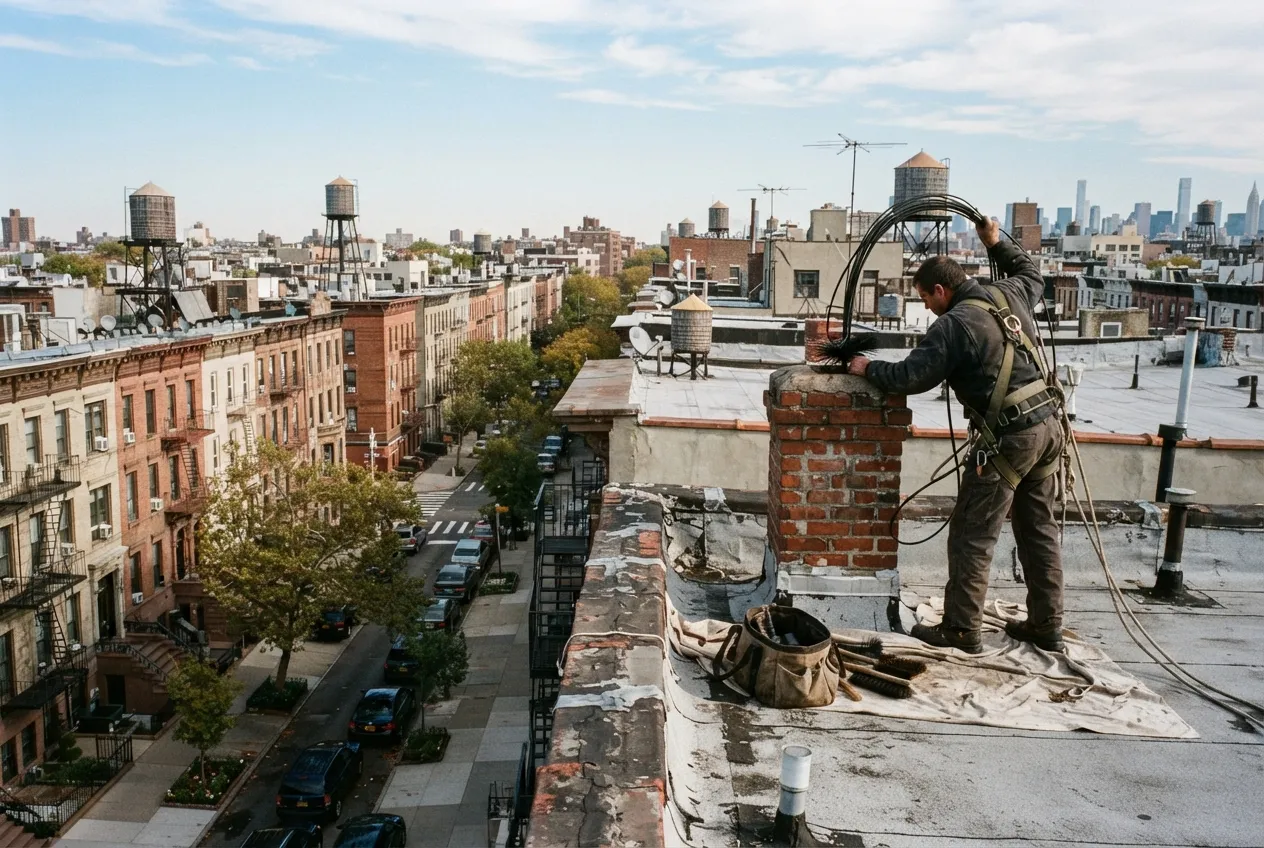
A chimney inspection in Greenwich Village checks the fireplace, flue, liner, and exterior masonry for damage, blockages, and fire hazards. The NFPA 211 standard calls for an inspection once a year, with a more detailed Level 2 or Level 3 inspection when a home is sold, the system changes, or a hidden problem is suspected.
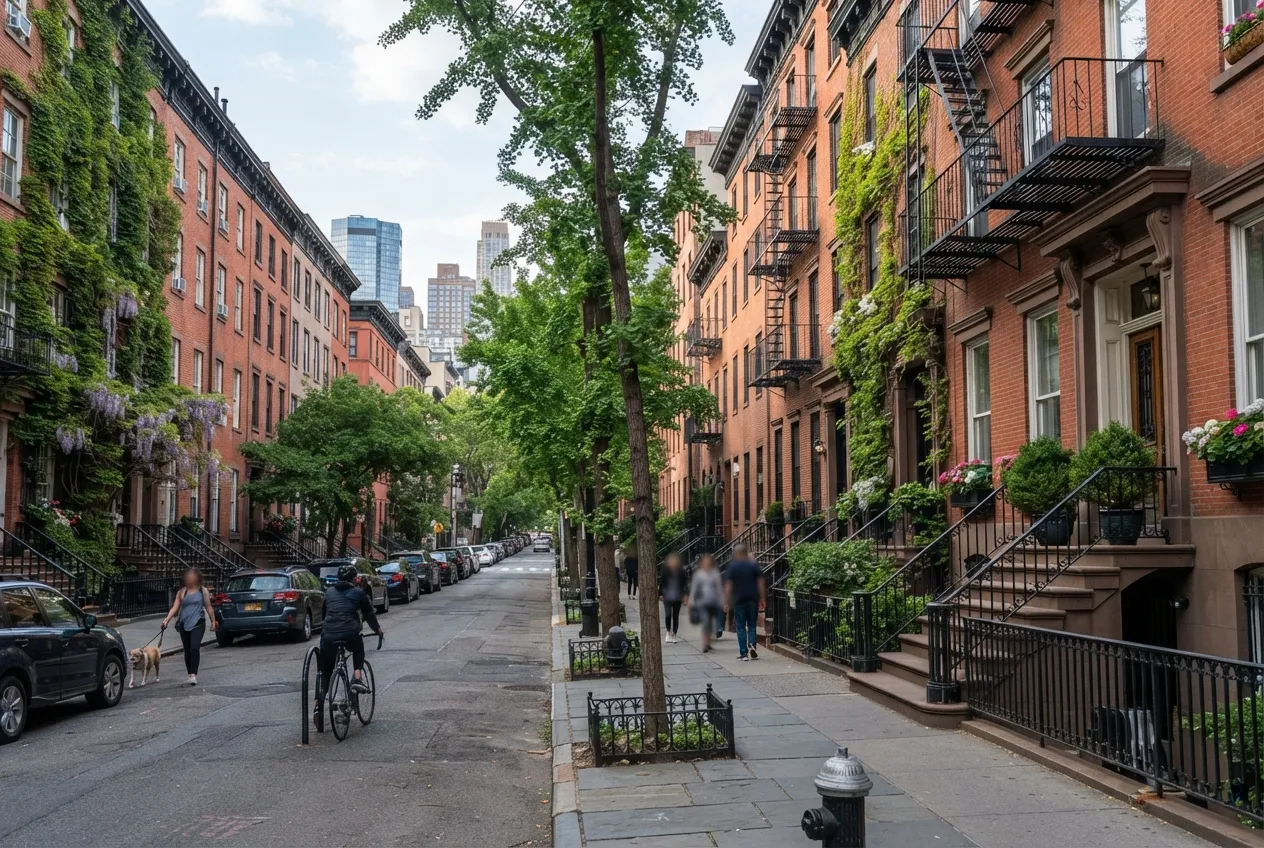
Many Greenwich Village homes are brownstones, rowhouses, and pre-war apartment buildings, and many of their chimneys have served several generations of fireplaces, coal stoves, oil boilers, and gas appliances. A flue that looks fine from the hearth can hide cracked tiles, missing mortar, or debris left from decades of use. Nexora Chimney Services is based in Gramercy, about a mile northeast of the Village, and our certified technicians inspect chimneys, fireplaces, and vents throughout the neighborhood. We tell you what we found, show you where, and explain what it means for your home.
Why Village Chimneys Need a Closer Look
Older Manhattan masonry chimneys were often built before modern liners were common, and many have been altered over the years. A fireplace may have been closed off and later reopened. A flue may have served a coal stove, then an oil boiler, and now a gas furnace or water heater. Each change affects how the chimney handles heat and exhaust.
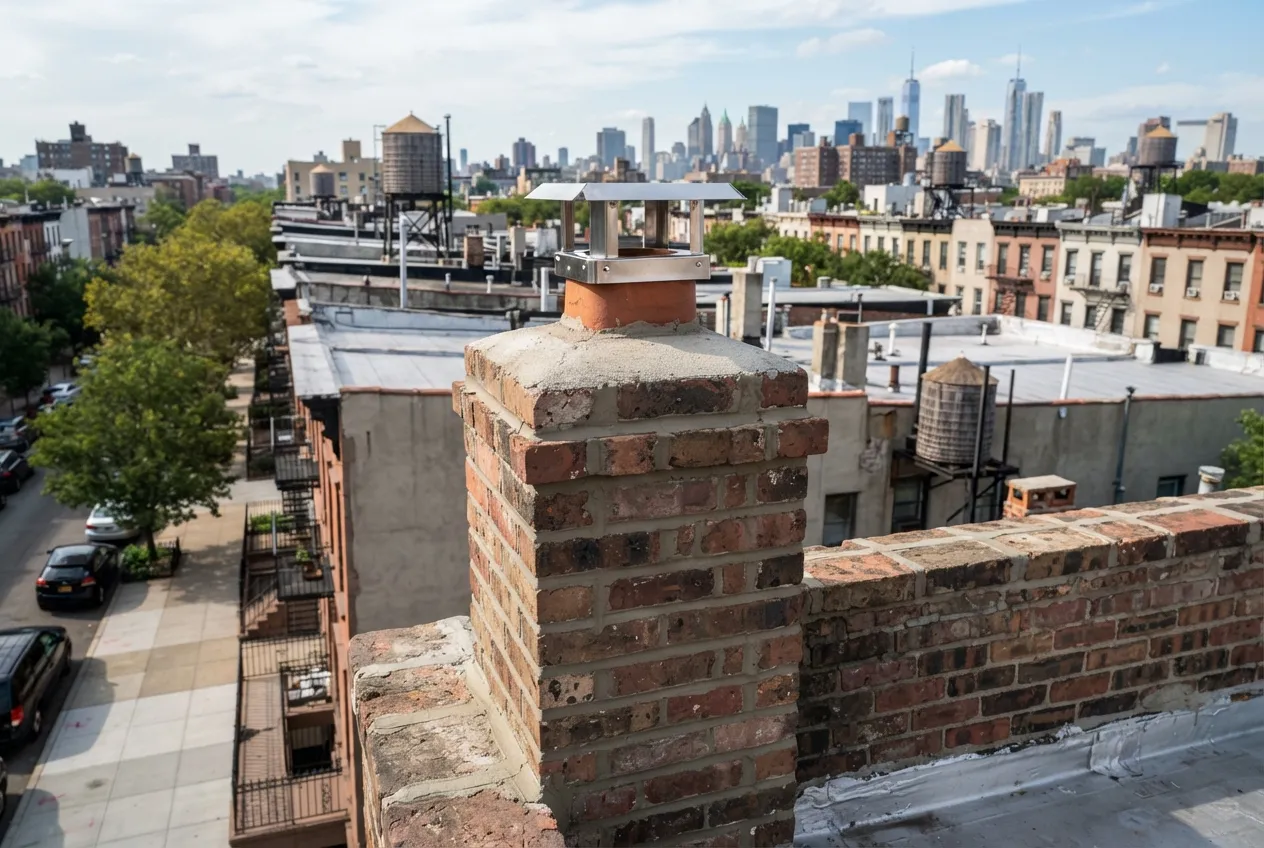
Party walls between rowhouses can also share chimney stacks, and rooftop sections take a beating from freeze-thaw cycles, wind, and rain. Cracks in the crown, loose bricks, and failing flashing often start on the roof, where most homeowners never look. Inside, creosote buildup from wood fires and corrosion from gas exhaust can narrow or damage the flue without any visible sign in the living room.
The Three Inspection Levels
The NFPA 211 standard calls for chimneys, fireplaces, and vents to be inspected once a year. Chimney professionals use three levels of inspection, and the right one depends on your home's situation.
- Level 1: For a chimney in regular use when nothing has changed. We check the accessible parts of the fireplace, flue, and exterior for damage, blockages, and combustible deposits.
- Level 2: Needed when the system changes, such as a new appliance or a switch of fuel, or when the home is sold. This includes a camera inspection of the flue's interior plus a check of accessible attics, basements, and roof areas.
- Level 3: Used when a hidden hazard must be reached by opening part of the chimney or building, such as a wall or chase, to examine concealed sections.
Converting From Oil to Gas
Many buildings in the Village have moved away from heating oil. When a New York City building converts its boiler from oil to gas, the chimney has to be evaluated as part of the work. A new liner is often needed because gas exhaust produces acidic condensate that can corrode a masonry flue from the inside.
If your building is planning a conversion, or has already switched and the chimney was never checked, a Level 2 inspection shows the condition of the existing flue and whether it can safely vent the new equipment. We will show you camera footage and explain what the liner needs.
Time for your annual chimney check?
Timing Around Heat Season
New York City's heat season runs from October 1 through May 31, when building owners must keep apartments heated to the city's minimum temperatures. For owners of multi-unit pre-war buildings and brownstones with rental apartments, a boiler chimney problem found in January can create real pressure.
Scheduling your inspection in late spring or summer gives you time to plan any repairs before heat season begins. Homeowners who burn wood in a fireplace benefit from the same timing, since a late-summer inspection lets you start the first cold evening of fall without wondering about the flue.
What You Get After the Inspection
After we finish, we walk you through what we saw: the condition of the firebox, damper, smoke chamber, flue, liner, crown, and flashing. When we use a camera, we show you the footage. If something needs attention, we explain the issue in plain terms and separate urgent safety concerns from items that can wait.
We also serve the West Village, Gramercy, East Village, Midtown South, and Flatiron, so if you own property in more than one nearby neighborhood, we can coordinate visits.
More services in Greenwich Village
- Chimney Sweep in Greenwich Village
- Chimney Repair in Greenwich Village
- Air Duct Cleaning in Greenwich Village
- Chimney Liner Installation in Greenwich Village