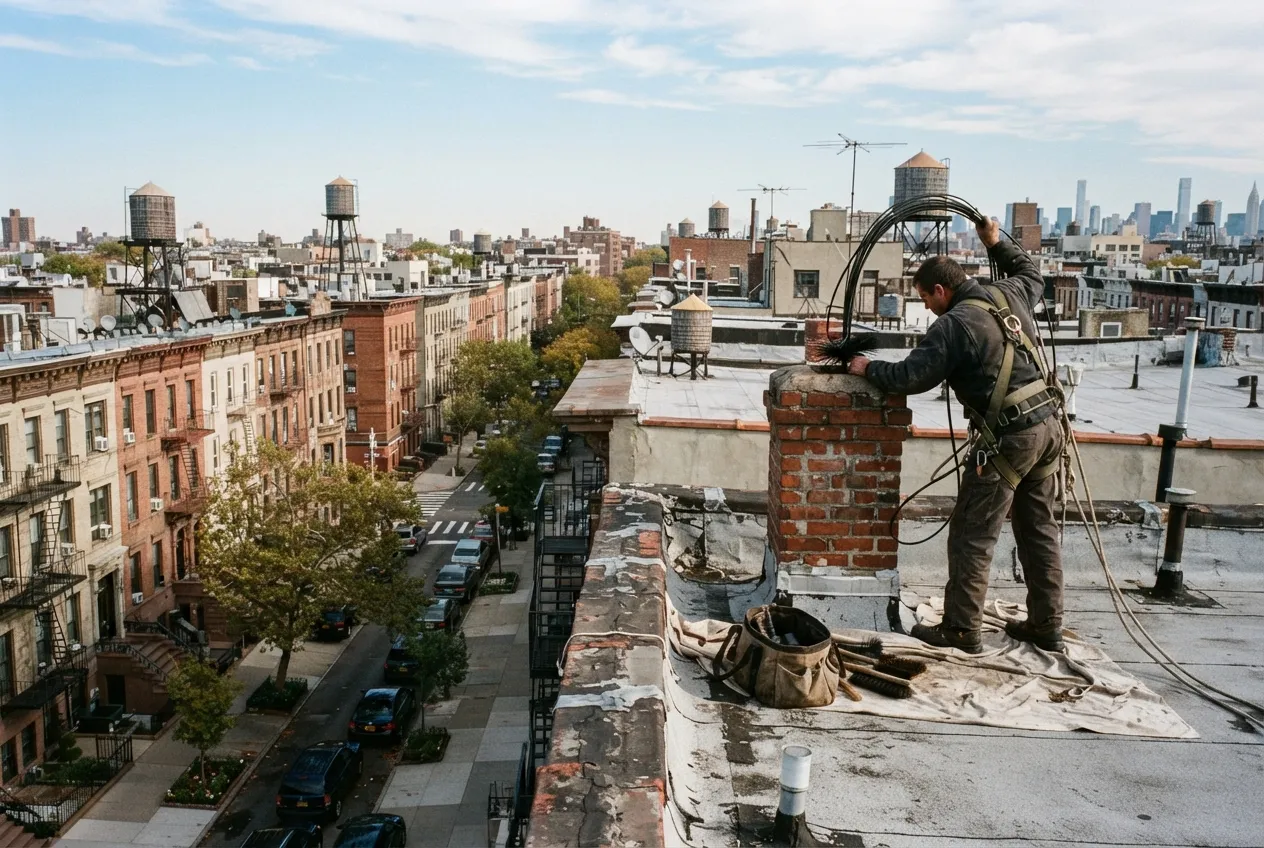
The short answer
If your Union Square chimney has a cracked or deteriorated flue, serves a new or converted appliance, or failed an inspection, a properly sized liner restores a safe path for exhaust. Nexora Chimney Services inspects the chimney first, then installs a liner matched to the fuel and the appliance.
A chimney liner is the protective channel inside your flue that carries smoke and exhaust gases out of the building and keeps heat and corrosive byproducts away from the surrounding masonry. In Union Square, many chimneys were built long before today's boilers, water heaters and fireplace inserts existed, so the original flue often isn't sized or protected for the appliance it now serves. Nexora Chimney Services installs chimney liners for homes and buildings in Union Square from our office in Gramercy, about a mile away. Our certified technicians evaluate the chimney first, explain what they find, and recommend a liner that fits both the flue and the appliance connected to it.
Why Liners Matter in Union Square Buildings
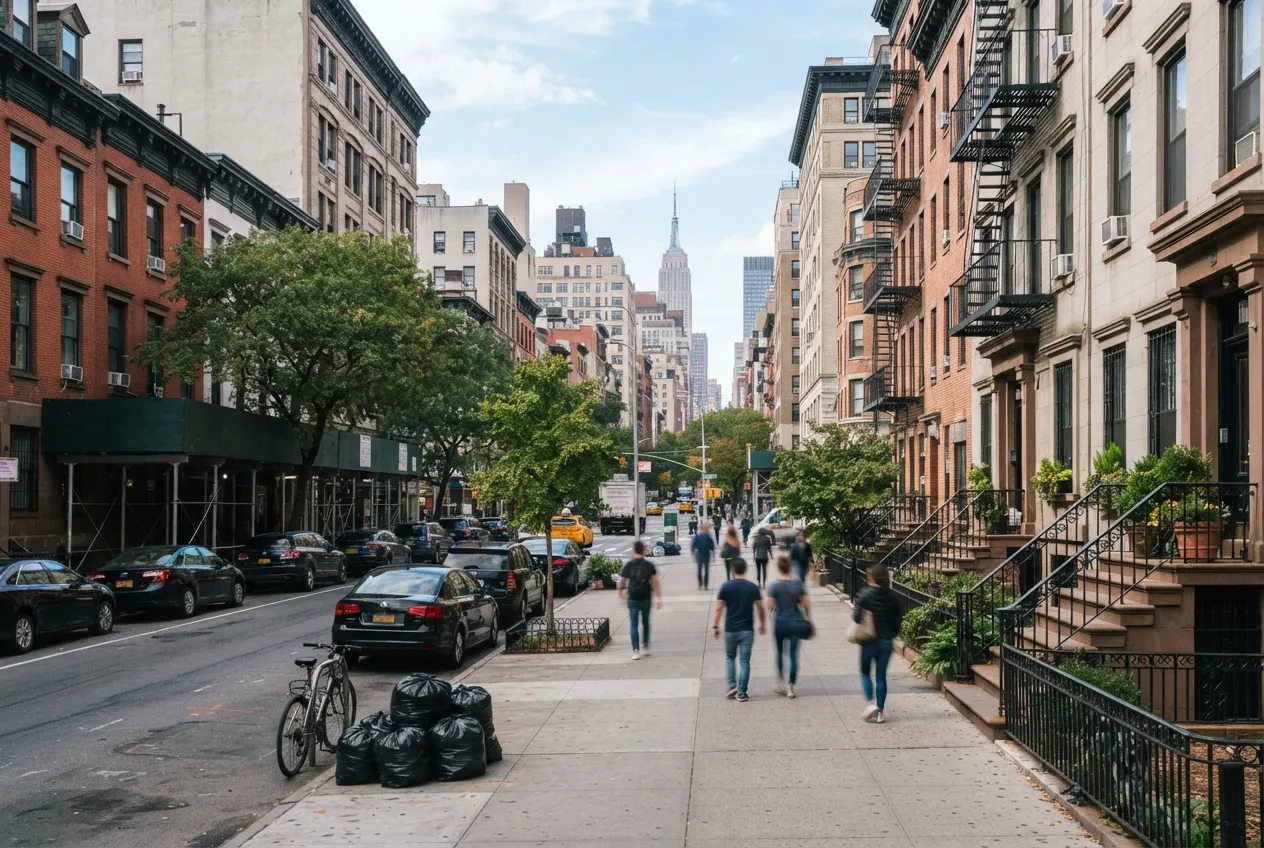
Housing around Union Square is largely pre-war apartment buildings, converted loft buildings and older townhouses, many with masonry chimneys that have served several generations of heating equipment. Clay tile flues crack with age and heat, mortar joints wear away, and some older chimneys were built with no liner at all. When that happens, exhaust and heat can reach the brick, wood framing or neighboring units.
A liner also has to match the appliance. A flue that is too large for a modern, high-efficiency boiler can let exhaust cool too quickly, which leads to poor draft and condensation inside the chimney. A correctly sized liner helps the appliance vent the way its manufacturer intended.
Oil-to-Gas Conversions and Your Chimney
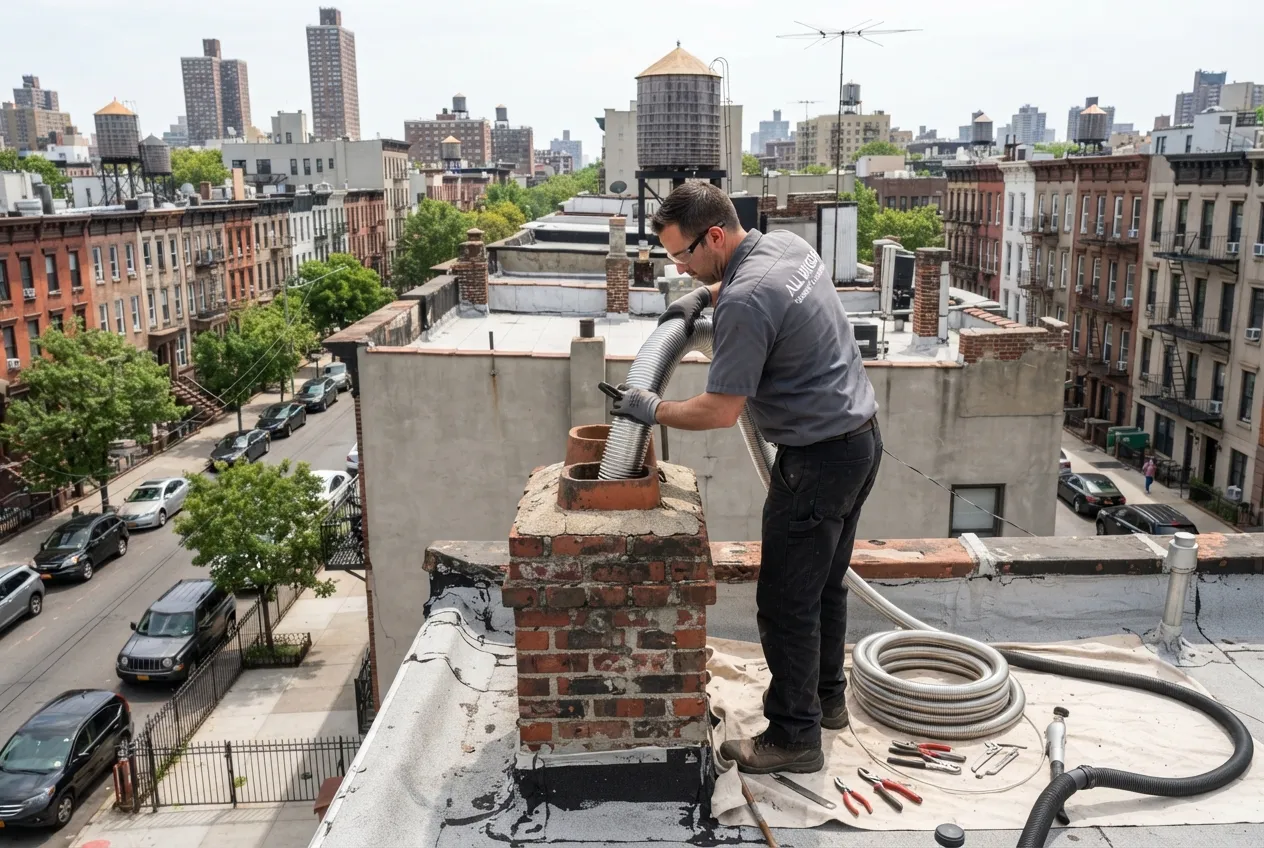
Many Manhattan buildings have switched their boilers from oil to gas. When a New York City building makes that conversion, the chimney has to be evaluated as part of the work. A new liner is often needed because gas exhaust produces acidic condensate that can corrode a masonry flue over time.
If your building is planning a conversion, it helps to involve us early. We can inspect the chimney, confirm whether the existing flue can be reused, and size a liner for the new equipment so the chimney work fits into the overall project schedule rather than holding it up at the end.
Liner Options We Install
The right liner depends on the fuel, the appliance, the shape of the flue and the condition of the chimney. After the inspection, we explain which options suit your chimney and why.
- Stainless steel liners for gas, oil and wood-burning appliances, available in rigid or flexible forms for chimneys with bends or offsets
- Liners sized specifically for boilers and water heaters after a fuel switch or equipment replacement
- Liners for fireplace inserts and wood stoves added to an existing masonry fireplace
- Insulated liner systems where the chimney needs added protection or better draft
- Chimney caps and top plates to finish the installation and keep out rain and debris
Time for your annual chimney check?
How a Liner Installation Works
The NFPA 211 standard calls for chimneys, fireplaces and vents to be inspected once a year, and it describes three inspection levels. A Level 2 inspection applies when the system changes, such as a new appliance or a switch of fuel, which is often when a liner is needed. A Level 3 inspection is used when a hidden hazard can only be reached by opening part of the chimney or building.
In apartment buildings and co-ops, we coordinate with the superintendent or managing agent on roof access, scheduling and any notice residents need.
- Inspect the chimney, including a camera review of the flue interior
- Measure the flue and confirm the appliance's venting requirements
- Clean the flue so the liner goes into a clear passage
- Install the liner from the top down and connect it to the appliance
- Seal and cap the top of the chimney, then check that the appliance drafts properly
Planning Around Heat Season
New York City's heat season runs from October 1 through May 31, when building owners must keep apartments heated to the city's minimum temperatures. For buildings where the boiler vents through the chimney being relined, the work is easier to schedule outside those months, when a short heating shutdown affects residents less.
If a problem turns up mid-winter, we can still evaluate the chimney and talk through options. We also serve nearby Midtown South, Flatiron, Gramercy, Murray Hill and Kips Bay.
More services in Union Square
- Chimney Sweep in Union Square
- Chimney Inspection in Union Square
- Chimney Repair in Union Square
- Air Duct Cleaning in Union Square