The short answer
If your Lower East Side chimney has a cracked or missing flue liner, or your building is switching its boiler from oil to gas, you likely need a new liner sized to the appliance. We inspect the chimney first, explain what we find, and then install a liner that fits the equipment it serves.
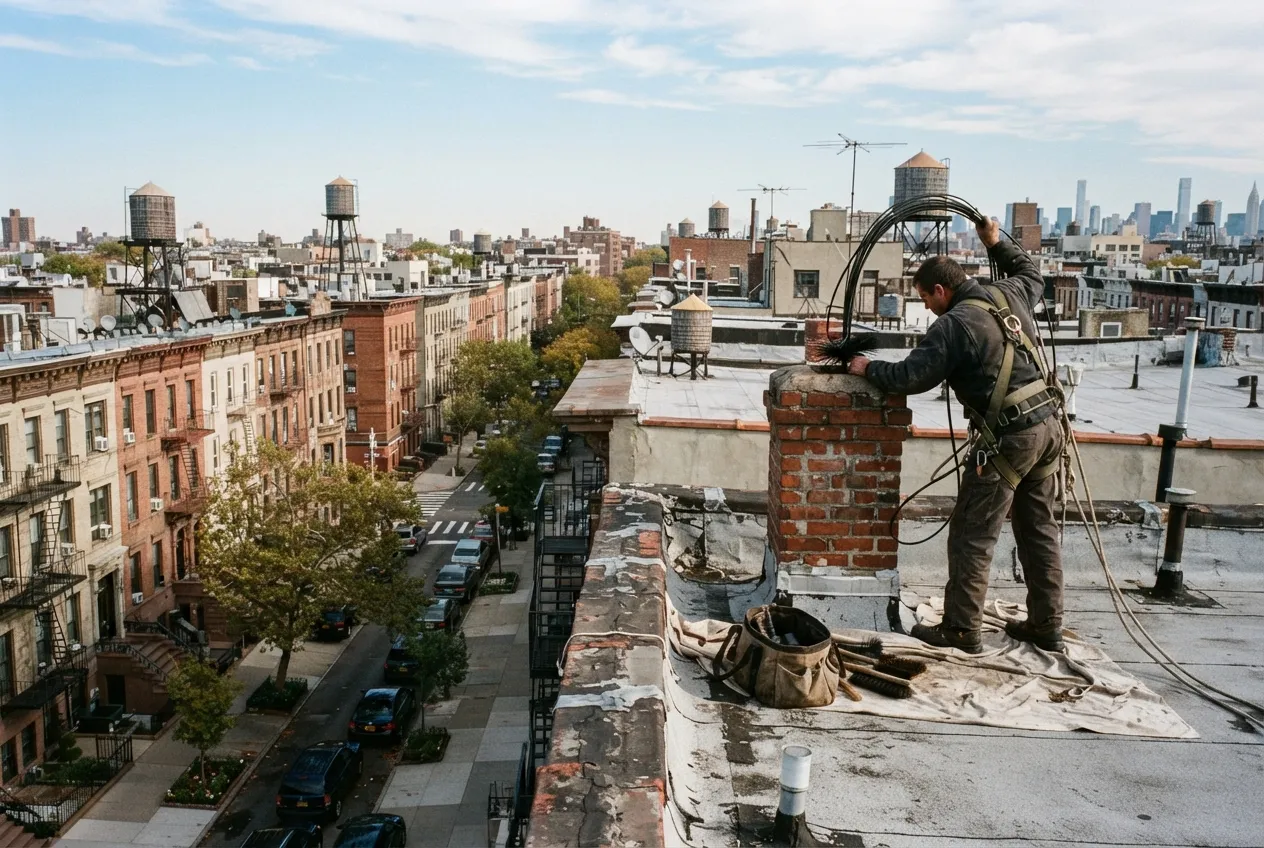
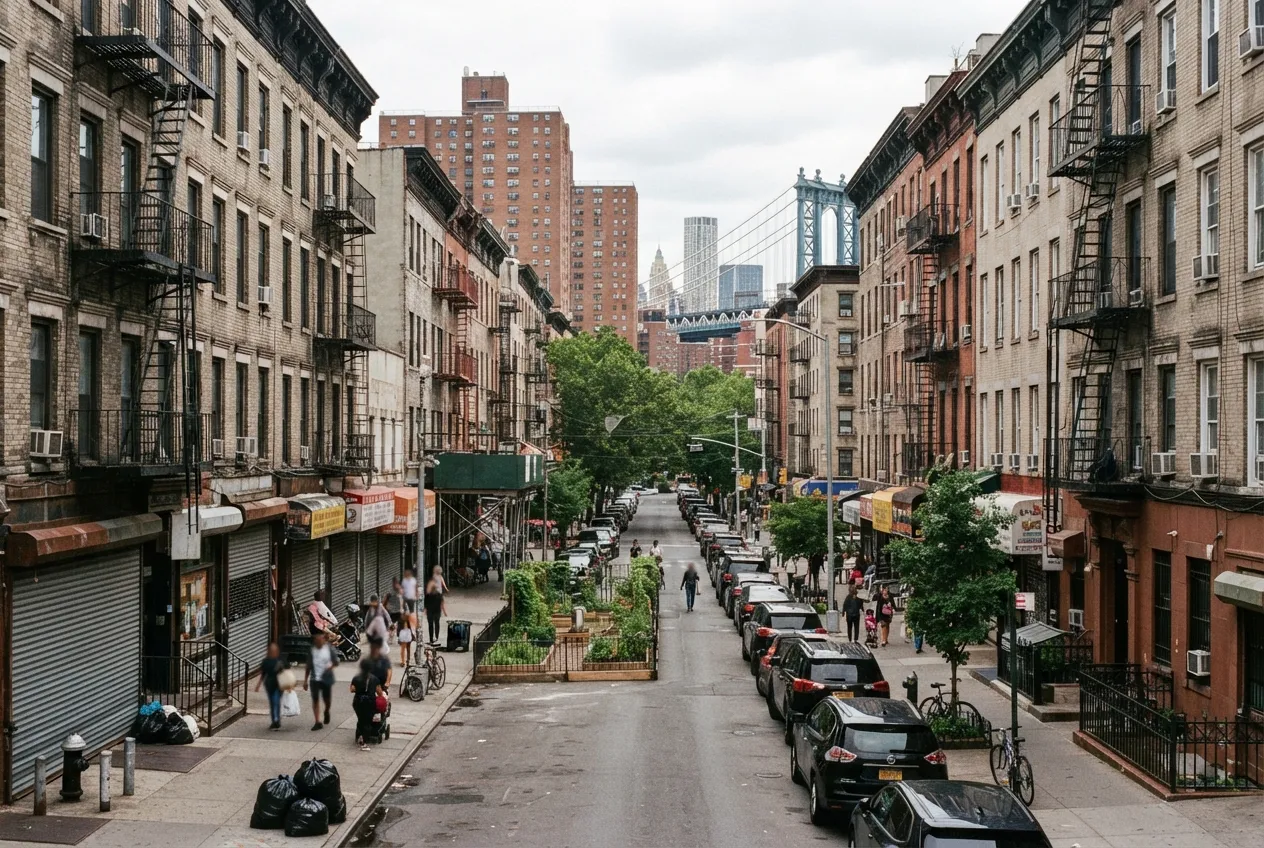
Many chimneys in the Lower East Side were built long before today's heating equipment existed. Pre-war walk-ups, older rowhouses and converted multifamily buildings often have masonry flues that were never meant to handle modern boilers, water heaters or gas exhaust. A properly sized liner protects the masonry, keeps combustion gases moving up and out, and helps heating equipment run the way it was designed to. Nexora Chimney Services is based in Gramercy, about a mile north, and our certified technicians install and replace chimney liners throughout ZIP code 10002.
Why Older Lower East Side Chimneys Often Need Relining
Much of the housing here is masonry construction from earlier eras. Many of those flues were built with clay tile liners or with no liner at all. Over decades, heat cycles, moisture and settling can crack tiles, wear down mortar joints and open gaps between the flue and the surrounding brick.
A damaged or missing liner can let heat and exhaust reach parts of the building they shouldn't. It can also let condensation soak into the brick, which leads to spalling, staining and deterioration you may first notice inside the apartment or on the roof.
- Cracked, shifted or missing clay flue tiles
- Crumbling mortar or debris collecting at the base of the chimney
- Water stains or damp walls near the chimney
- Brown or white staining on the chimney exterior
- Heating equipment that was replaced or changed fuel without a chimney evaluation
Oil-to-Gas Conversions and New Liners
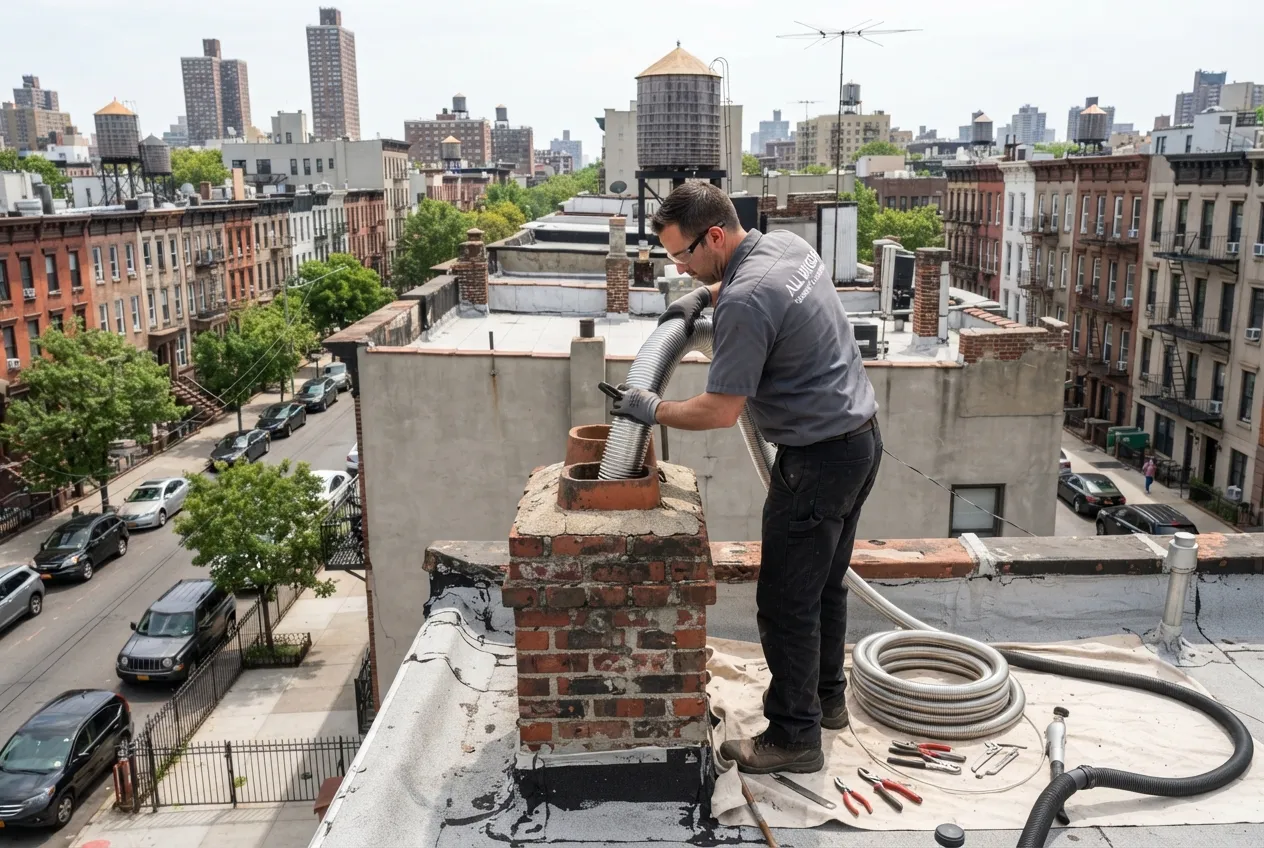
In New York City, when a building converts its boiler from oil to gas, the chimney has to be evaluated as part of the work. A new liner is often needed because gas exhaust produces acidic condensate that can corrode a masonry flue that was fine for oil.
If your building is planning a conversion, it helps to bring us in early. We can look at the existing flue, note its condition and dimensions, and identify what liner the new equipment will require, so the chimney portion of the project doesn't hold up the rest.
How We Evaluate Before Installing
The NFPA 211 standard calls for chimneys, fireplaces and vents to be inspected once a year. Chimney professionals use three inspection levels. A Level 1 inspection fits when nothing has changed. A Level 2 inspection applies when the system changes, such as a new appliance or a switch of fuel, or when the home is sold. A Level 3 inspection is used when a hidden hazard has to be reached by opening part of the chimney or building.
Most liner jobs start with a Level 2 inspection, which typically includes a camera look inside the flue. We document what we find and walk you through it before recommending any work.
Time for your annual chimney check?
What Liner Installation Involves
The right liner depends on the appliance, the fuel and the shape and size of the existing flue. Stainless steel liners are common for gas and oil appliances because they can be sized to the equipment and run through an existing masonry flue. Some fireplace and masonry repairs call for other approaches, which we will explain if they apply to your chimney.
In tighter Lower East Side buildings, roof access, shared stairwells and neighboring structures all affect how the job is planned. We coordinate access with owners, supers or managers ahead of time and keep the work area protected.
- Confirm the appliance and fuel the flue will serve
- Measure the flue and select a properly sized liner
- Clean and prepare the existing flue
- Install the liner with the needed connections and cap
- Check the finished system and review it with you
Planning Around Heat Season
New York City's heat season runs from October 1 through May 31, when building owners must keep apartments heated to the city's minimum temperatures. For buildings with central boilers, relining work that affects the heating system is easiest to schedule outside those months. If a problem turns up during the heating season, we can talk through options to keep disruption as short as possible.
Serving the Lower East Side and Nearby Neighborhoods
Along with the Lower East Side, we install chimney liners in the East Village, Stuyvesant Town, Peter Cooper Village, Greenwich Village and Gramercy. Whether you own a single rowhouse or manage a pre-war apartment building, we can help you understand the condition of your flue and what it needs.
More services in Lower East Side
- Chimney Sweep in Lower East Side
- Chimney Inspection in Lower East Side
- Chimney Repair in Lower East Side
- Air Duct Cleaning in Lower East Side