The short answer
Chimneys, fireplaces, and vents in the Lower East Side should be inspected once a year, following the NFPA 211 standard. You need a deeper Level 2 inspection after a fuel switch, a new appliance, or a sale, and a Level 3 only when a hidden problem has to be reached by opening part of the structure.
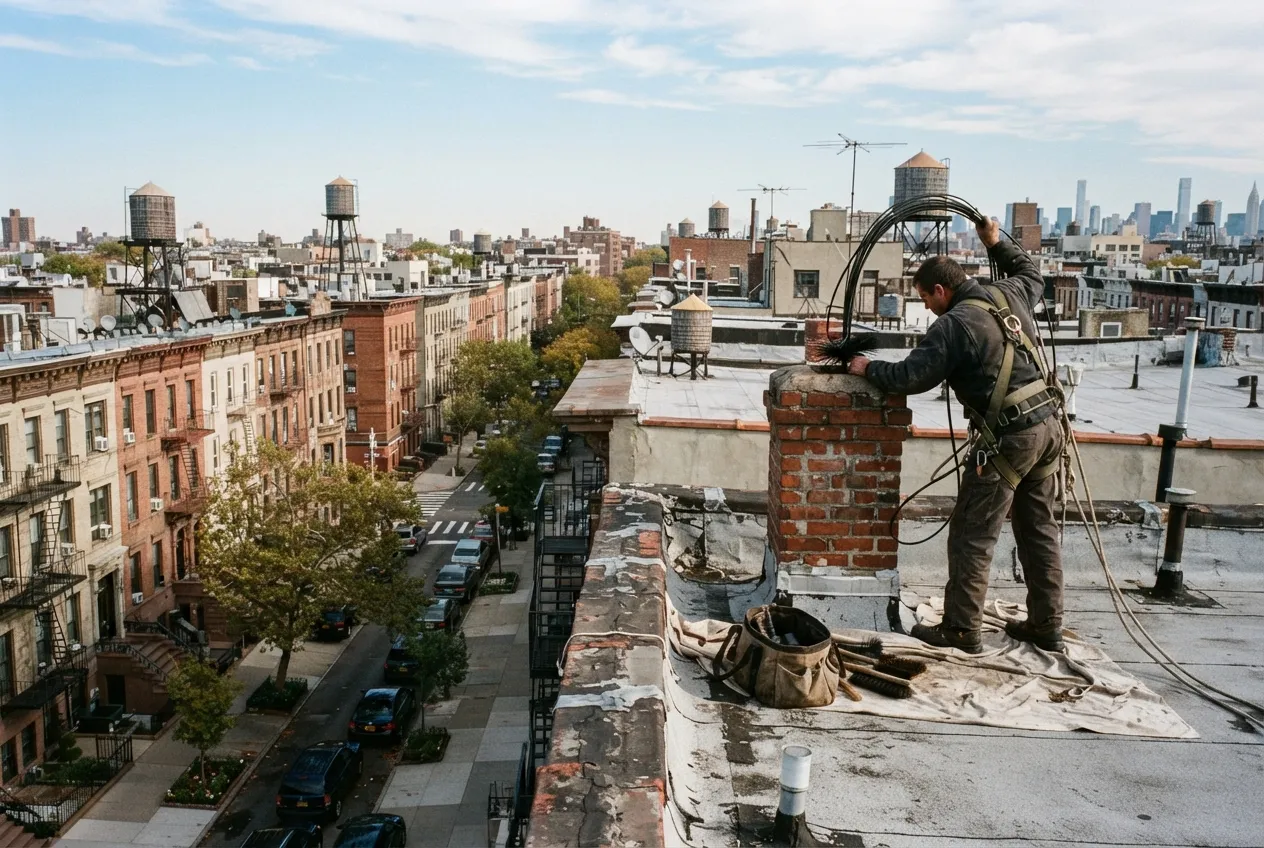
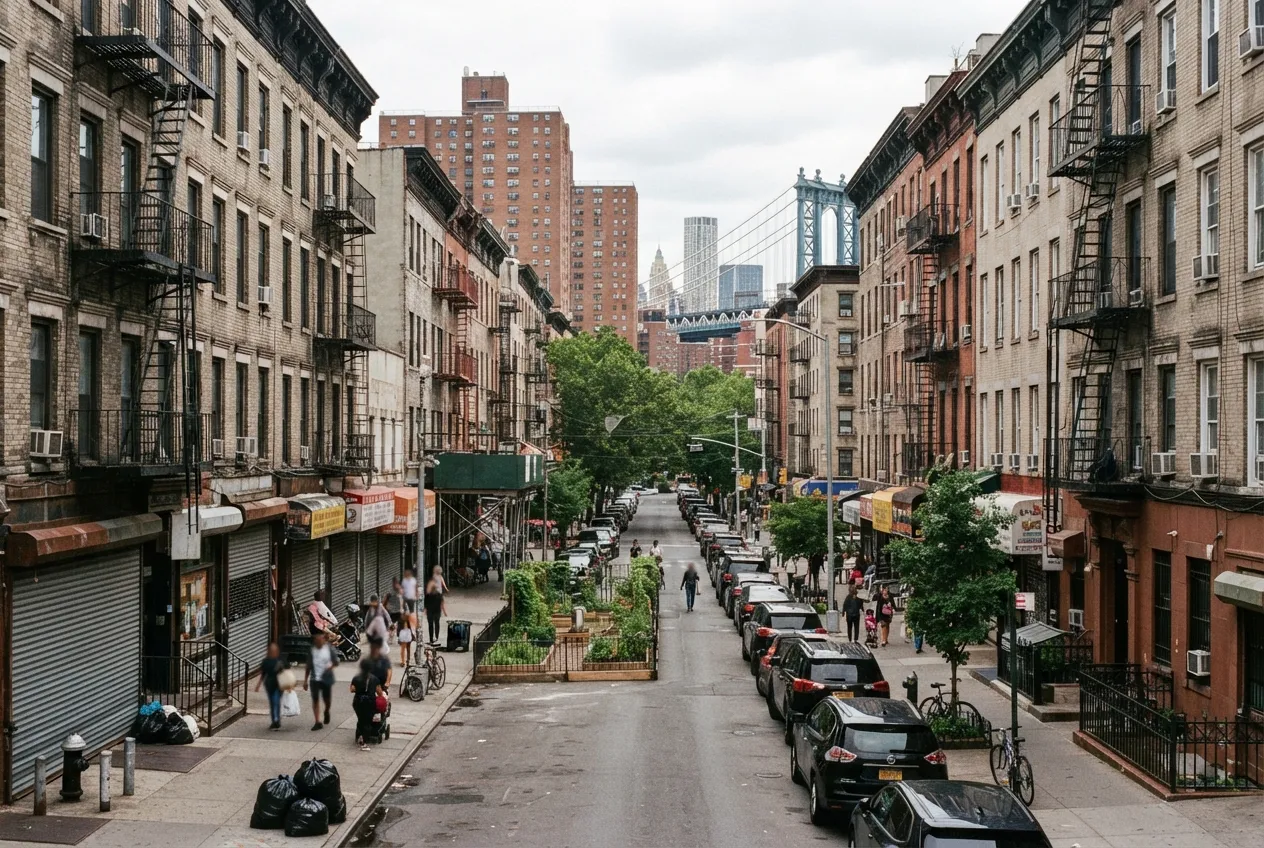
Many Lower East Side homes sit in older masonry buildings: pre-war walk-ups, converted tenements, rowhouses, and mid-century apartment buildings. Their chimneys have seen decades of heating changes, renovations, and weather. Nexora Chimney Services inspects chimneys, fireplaces, and vents throughout the 10002 ZIP code, about a mile south of our Gramercy office. Our certified technicians examine the flue, liner, masonry, and connections, then explain in plain terms what they found, what it means for your building, and what, if anything, should happen next.
Why Lower East Side Chimneys Need a Close Look
Older buildings in this part of Manhattan often have brick flues that were built for coal or oil and later adapted for other uses. Over time, mortar joints wear down, clay tile liners crack, and renovations can leave connections that no longer line up the way they should. In walk-ups and rowhouses, several units or appliances may share one masonry stack. A problem in one spot can affect the whole building.
Some apartments also have fireplaces that were sealed off years ago or reopened during a renovation. Before anyone lights a fire in a fireplace that hasn't been used in a long time, it should be checked for blockages, damaged firebrick, and gaps in the flue.
Which Inspection Level Do You Need?
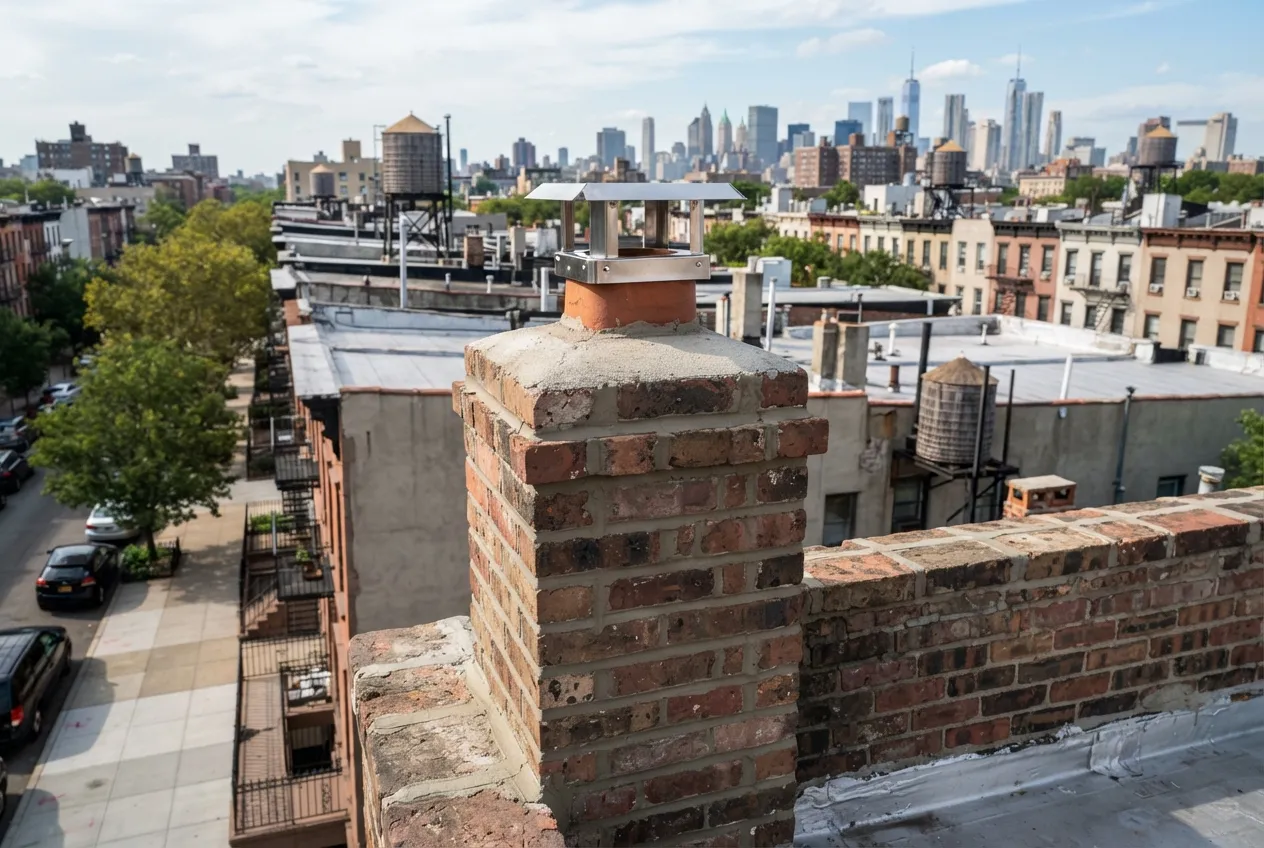
The NFPA 211 standard calls for chimneys, fireplaces, and vents to be inspected once a year. Chimney professionals use three levels of inspection, and the right one depends on what has changed since the last time the system was checked.
- Level 1: For a system that hasn't changed and is used the same way as before. We examine the accessible parts of the chimney, the appliance connection, and the flue for soot, creosote, debris, and visible damage.
- Level 2: For a system that has changed, such as a new boiler, water heater, or stove, or a switch from one fuel to another. It also applies when a home or building is sold. This level includes a camera inspection of the flue's interior.
- Level 3: Only when a hidden hazard has to be reached by opening part of the chimney or building, such as removing a section of wall or masonry. We recommend this level only when earlier findings point to a concealed problem.
Oil-to-Gas Conversions and Liners
Many Lower East Side buildings have moved, or are planning to move, from oil heat to gas. When a New York City building converts its boiler from oil to gas, the chimney has to be evaluated as part of that work. A new liner is often needed. Gas exhaust produces acidic condensate, and it can corrode an unlined or poorly lined masonry flue from the inside.
If your building is planning a conversion, an inspection before the work begins shows the flue's current condition and whether a liner will probably be needed. That makes the project easier to plan. If a conversion has already happened, a Level 2 inspection can confirm that the venting matches the new equipment.
Time for your annual chimney check?
What We Check During an Inspection
Every inspection is tailored to the building, but most cover the same core areas:
- Creosote and soot buildup in the flue and smoke chamber
- Cracked, missing, or deteriorated flue tiles or liner sections
- Blockages from debris, nesting animals, or fallen masonry
- Damper operation and firebox condition
- Chimney crown, cap, and exterior brick and mortar on the roof
- Connections between the boiler, furnace, or water heater and the flue
- Signs of water entry, staining, or efflorescence on masonry
Timing Around the Heat Season
New York City's heat season runs from October 1 through May 31. During that period, building owners must keep apartments heated to the city's minimum temperatures. A boiler flue problem found in midwinter can be disruptive for both owners and tenants. That's why late summer and early fall are good times to inspect, so there's room to schedule any repairs before the heat comes on.
Because our Gramercy office is close by, we also serve neighboring areas, including the East Village, Stuyvesant Town, Peter Cooper Village, and Greenwich Village. Our technicians are used to the access challenges of Manhattan buildings, such as roof hatches, narrow stairwells, and coordination with supers and building management.
More services in Lower East Side
- Chimney Sweep in Lower East Side
- Chimney Repair in Lower East Side
- Air Duct Cleaning in Lower East Side
- Chimney Liner Installation in Lower East Side