The short answer
A chimney inspection shows whether your flue, fireplace and venting are safe to use. The NFPA 211 standard calls for an inspection once a year, and the level of inspection depends on whether anything has changed. In Murray Hill, the best time is before New York City's heat season begins on October 1.
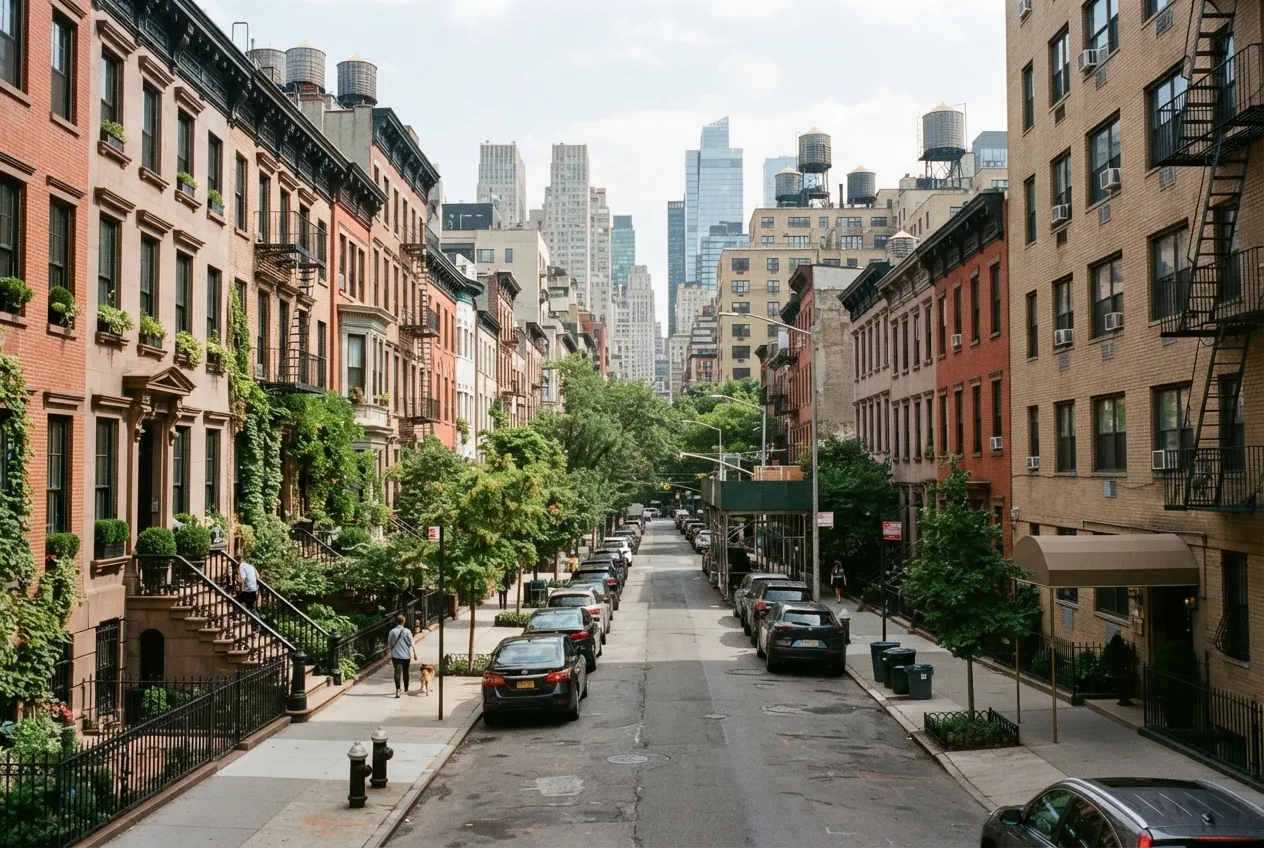
Murray Hill's brownstones, rowhouses and pre-war apartment buildings were built when wood and coal fires were common. Many of their chimneys now serve gas boilers, decorative fireplaces or wood-burning fireplaces that get used a few nights a year. A flue can look fine from the hearth and still have cracked tiles, loose mortar or a blockage higher up. Nexora Chimney Services is based in Gramercy, about a mile southwest of Murray Hill. Our certified technicians inspect chimneys for homeowners, co-op and condo boards, and building managers in ZIP codes 10016 and 10168.
Why Murray Hill Chimneys Need a Yearly Look
The NFPA 211 standard calls for chimneys, fireplaces and vents to be inspected once a year. This applies whether you burn wood every weekend or only run a gas boiler. Older masonry chimneys in this neighborhood have been through decades of freeze-and-thaw cycles, and some have been patched, relined or partly closed off by earlier owners.
In a rowhouse or brownstone, several flues often run side by side through shared walls. A problem in one flue can affect the others. In a pre-war apartment building, the boiler chimney serves everyone, so a blocked or damaged flue can affect every unit. A yearly inspection catches these problems while repairs are still small.
Choosing the Right Inspection Level
Chimney professionals use three levels of inspection. We'll recommend the one that fits your situation and explain why before any work starts.
- Level 1: for chimneys that have had no changes since the last inspection and are used the same way. We check the readily accessible parts of the chimney, the fireplace or appliance connection, and look for blockages and deposits.
- Level 2: required when the system changes, such as a new appliance, a switch of fuel, or a home sale. This level usually includes a video camera inspection of the flue's interior.
- Level 3: used when a hidden hazard is suspected and the only way to reach it is to open part of the chimney or the building, such as a wall or chase.
What We Check During the Visit
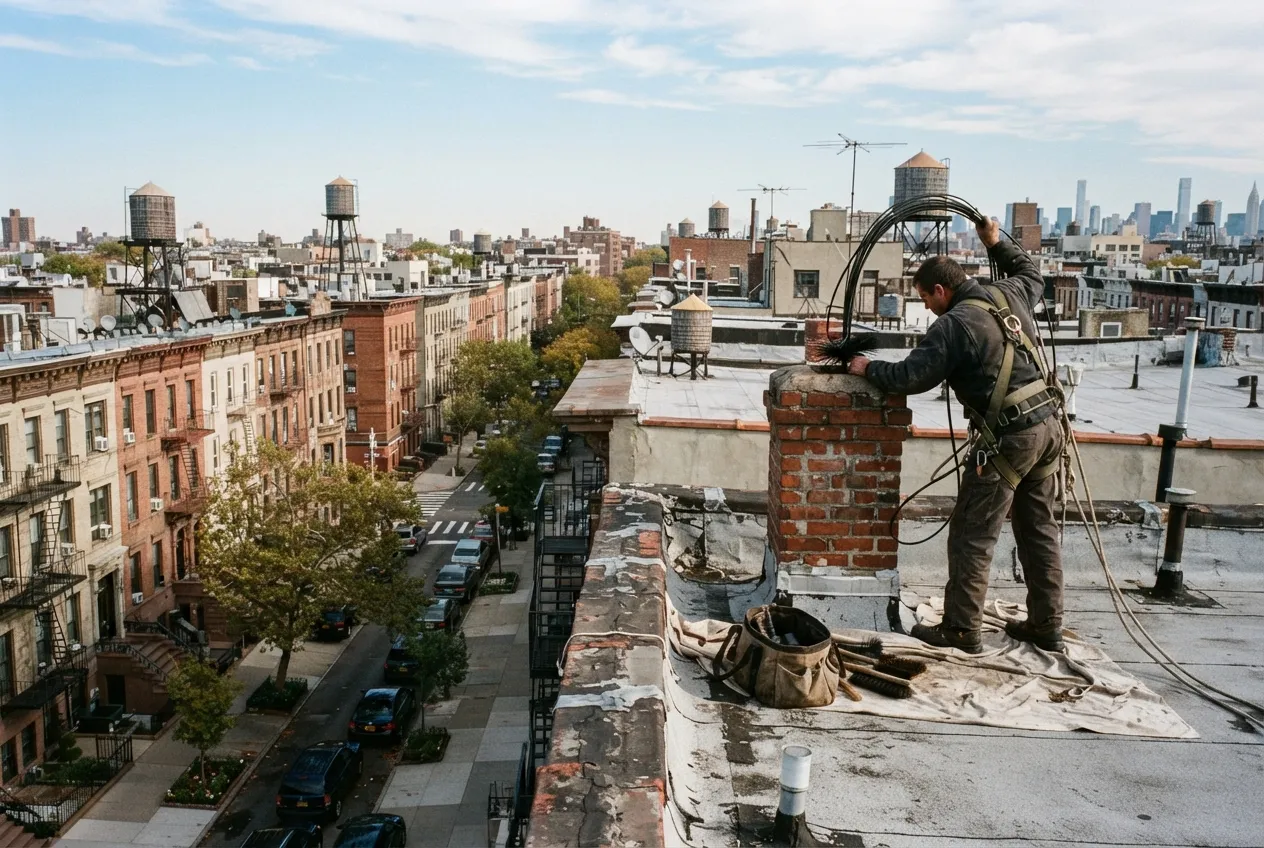
Inspections in Murray Hill homes usually start at the fireplace or appliance and work up through the flue to the crown. We take care with finished interiors and shared hallways. When a camera is needed, we record what we find so you can see it yourself.
- Flue liner condition, including cracked or missing tiles and gaps at the joints
- Creosote and soot buildup in wood-burning fireplaces
- Damper operation and smoke chamber condition
- Firebox brick and mortar
- Connections between the boiler or water heater and the chimney
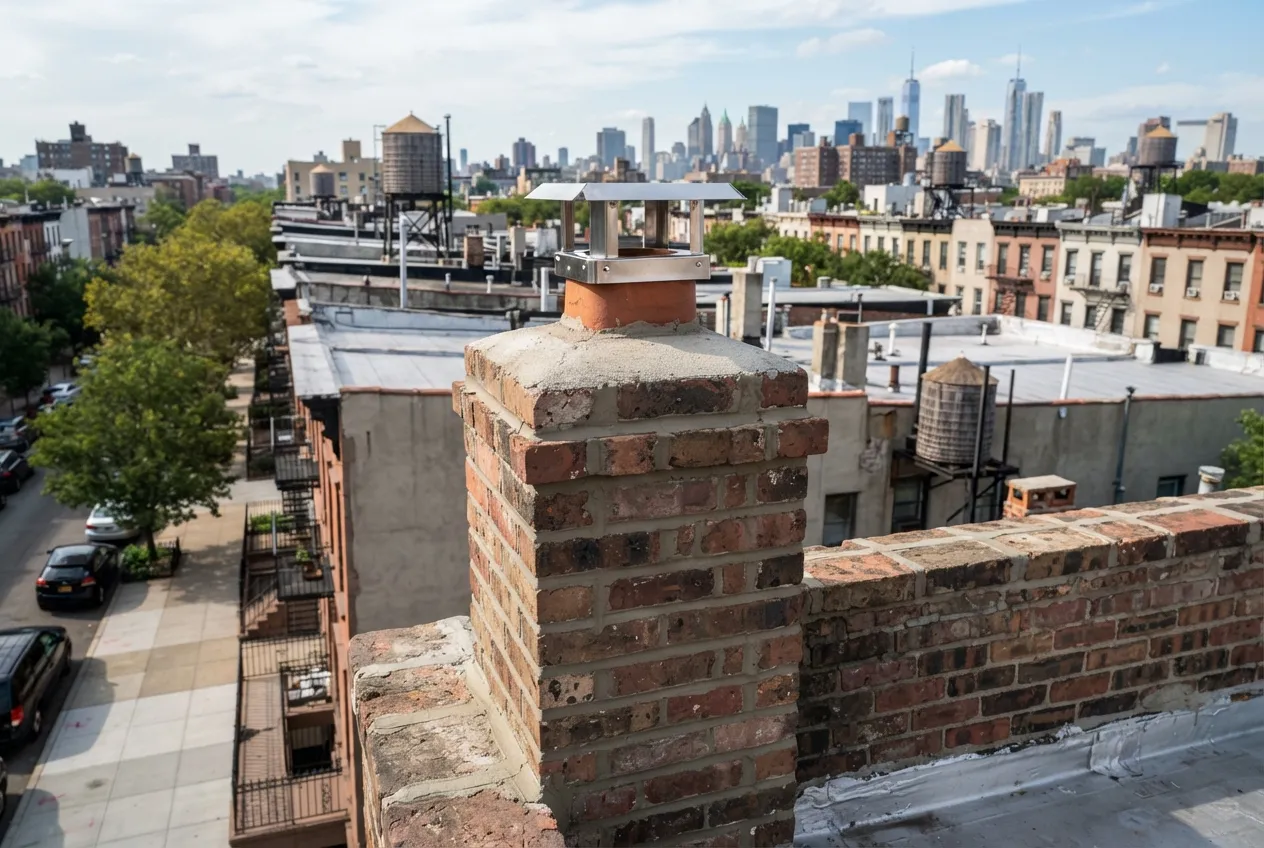
- Crown, cap and flashing condition where they can be reached safely
- Signs of water entry, animal nests or debris blocking the flue
Time for your annual chimney check?
Oil-to-Gas Conversions and Older Masonry Flues
Many Manhattan buildings have switched their boilers from oil to gas. When a New York City building converts from oil to gas, the chimney has to be evaluated as part of the work. A new liner is often needed, because gas exhaust produces acidic condensate that can corrode a masonry flue over time.
If your building has converted, or a board is planning a conversion, a Level 2 inspection shows the current condition of the flue and whether a liner is likely to be needed. It's also useful when buying a Murray Hill brownstone or co-op. A home sale is one of the events that calls for a Level 2 inspection.
Scheduling Around Heat Season
New York City's heat season runs from October 1 through May 31. During that time, building owners must keep apartments heated to the city's minimum temperatures. A chimney problem found in January can put a building owner in a hard spot, so late spring and summer are good times to inspect. If repairs turn up, there is time to finish them before the heat goes on.
Homeowners with wood-burning fireplaces also benefit from an early inspection. That way the fireplace is ready for the first cold evening, rather than waiting for an opening during the busy fall weeks.
Because our office is close by in Gramercy, we also serve Kips Bay, Midtown South, Flatiron and Union Square. That makes it easier to coordinate with building staff and fit visits around access rules for elevators and roofs.
More services in Murray Hill
- Chimney Sweep in Murray Hill
- Chimney Repair in Murray Hill
- Air Duct Cleaning in Murray Hill
- Chimney Liner Installation in Murray Hill