The short answer
The NFPA 211 standard calls for chimneys, fireplaces and vents to be inspected once a year. Midtown South homes usually need a Level 1 inspection, or a Level 2 if the home is being sold, a new appliance is installed, or the building switches fuel, such as an oil-to-gas boiler conversion. Book before October, when the city's heat season begins.
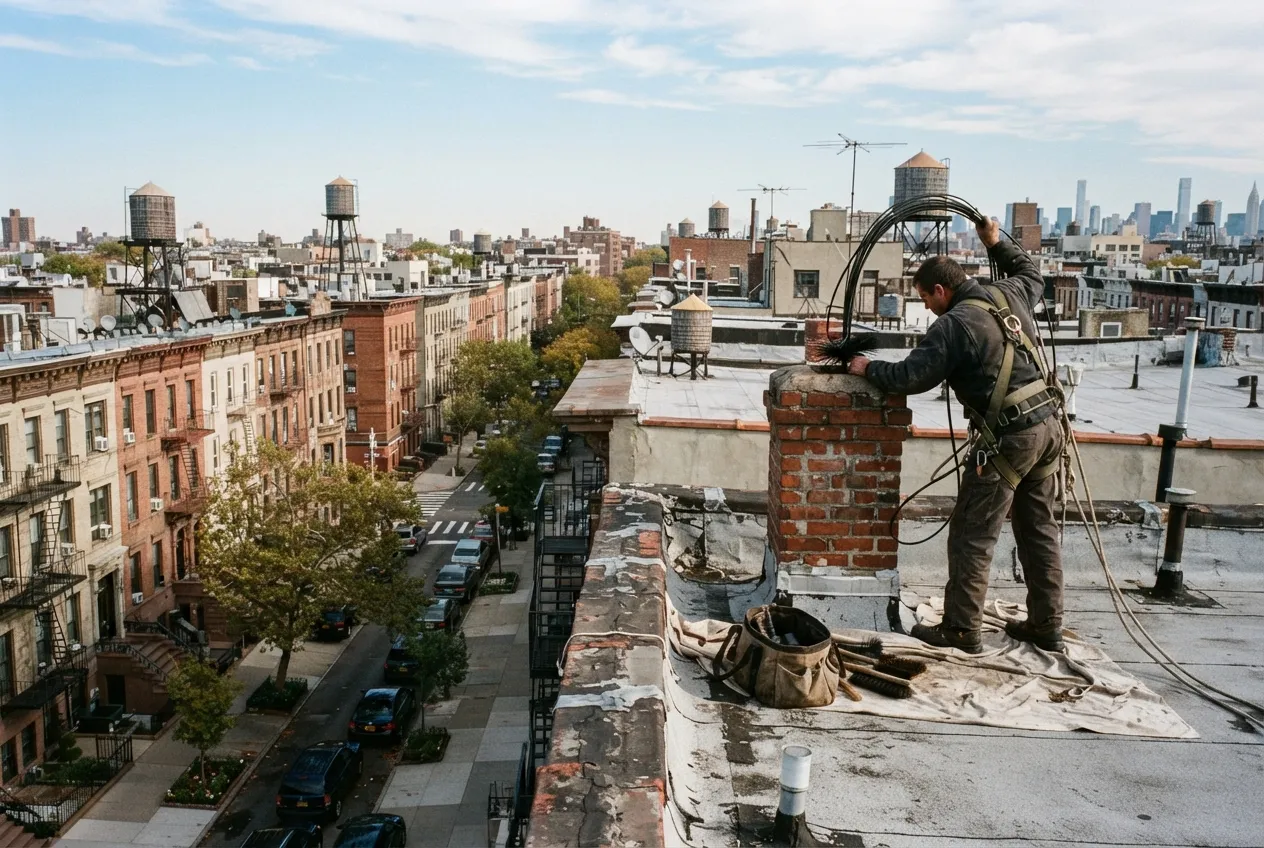
Midtown South has many older masonry chimneys. They serve fireplaces in pre-war apartments, boilers in loft and mixed-use buildings, and flues in the occasional townhouse. Many of these chimneys have been through decades of fuel changes, renovations and building settlement. Nexora Chimney Services is based in Gramercy, about a mile southeast of Midtown South, and our certified technicians inspect chimneys, fireplaces and vents throughout the neighborhood. An inspection tells you whether your chimney can safely carry smoke and exhaust out of the building and what needs attention before the next fire or heating season.
What a Chimney Inspection Covers
The NFPA 211 standard calls for chimneys, fireplaces and vents to be inspected once a year, even if you rarely use them. Chimney professionals use three levels of inspection, and the right one depends on what has changed since the last check.
In most Midtown South homes, a yearly Level 1 inspection is enough. Level 2 matters more here than in many places because buildings are bought, sold and renovated often, and boilers get replaced or converted.
- Level 1: For a system that hasn't changed. We check the accessible parts of the chimney, firebox, damper and connections for soundness, blockages and buildup.
- Level 2: Needed when the system changes, such as a new appliance or a switch of fuel, or when the home is sold. It includes a camera inspection of the flue's interior.
- Level 3: Used only when a hidden hazard has to be reached by opening part of the chimney or the building, such as a wall or chase.
Chimneys in Midtown South Buildings
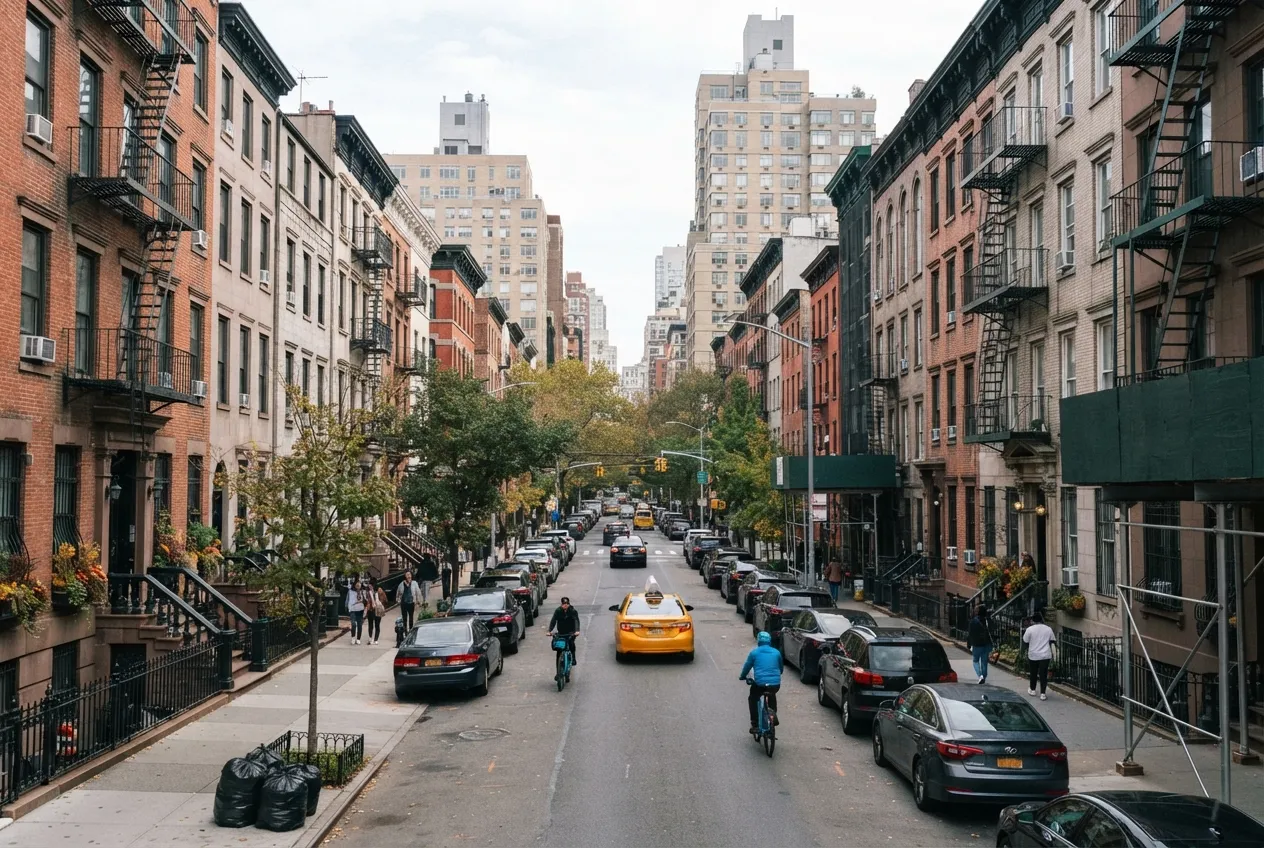
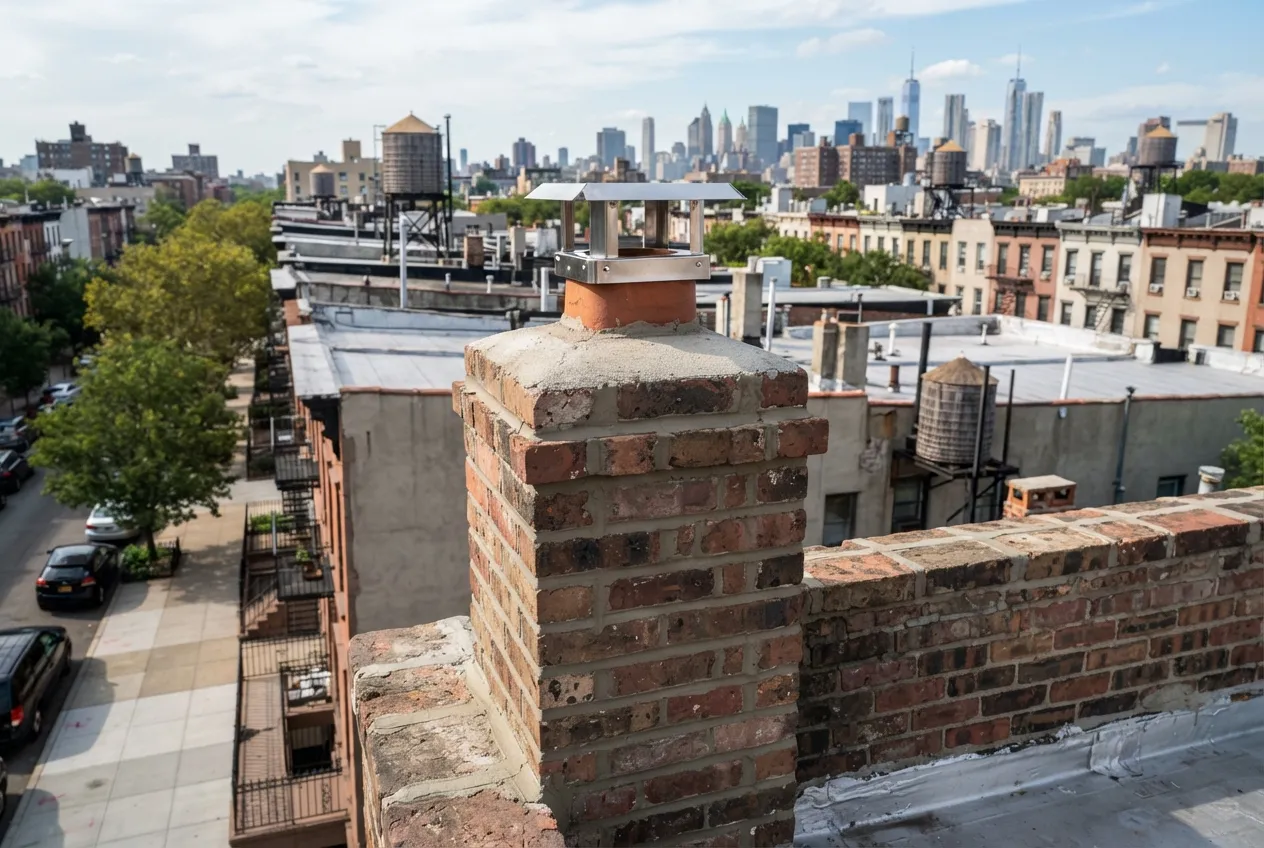
Housing in Midtown South is mostly pre-war apartment buildings, converted loft buildings and mixed-use buildings, with some rowhouses and townhouses. Many apartments have decorative or working fireplaces whose flues run through several floors and share a chimney stack with neighboring units. Boiler chimneys in larger buildings often date from the original construction.
These chimneys can develop problems you can't see from the room. Mortar joints wear down, clay flue tiles crack, and old liners deteriorate. Dampers may have been painted shut or removed during a renovation. Debris and nesting material can also collect at the top of a tall, shared stack. Our inspection looks for these issues and records what we find in each part of the system we can reach.
Oil-to-Gas Conversions and Chimney Liners
Many Manhattan buildings have converted, or plan to convert, their boilers from oil to gas. When a New York City building makes this change, the chimney has to be evaluated as part of the work. A new liner is often needed because gas exhaust produces acidic condensate that can corrode a masonry flue that was built for oil.
A fuel change calls for a Level 2 inspection. We check the existing flue's condition and size, look for signs of corrosion or deterioration, and tell you whether a liner is likely needed before the new equipment goes into service. Getting this information early helps owners and boards plan the conversion without surprises.
Time for your annual chimney check?
Timing Your Inspection Around Heat Season
New York City's heat season runs from October 1 through May 31. During those months, building owners must keep apartments heated to the city's minimum temperatures. A boiler chimney problem found in January is much harder to deal with than one found in August, because the heating system can't simply be shut down for repairs.
For fireplace owners, late summer and early fall are also the best time to book. Any repairs can be finished before the first cold evenings, and scheduling is usually easier before demand rises in the fall.
What to Expect on Inspection Day
We work in occupied apartments and buildings, so we keep the visit organized and clean. If roof access is needed, we coordinate it with your super or building management ahead of time.
- We protect floors and furnishings around the fireplace or appliance.
- We examine the firebox, damper, smoke chamber and flue from inside, and check the chimney from the roof when we can get access.
- For a Level 2 inspection, we run a camera through the flue and review the footage with you.
- You receive a written summary of what we found, with photos, and a plain explanation of any recommended next steps.
More services in Midtown South
- Chimney Sweep in Midtown South
- Chimney Repair in Midtown South
- Air Duct Cleaning in Midtown South
- Chimney Liner Installation in Midtown South