The short answer
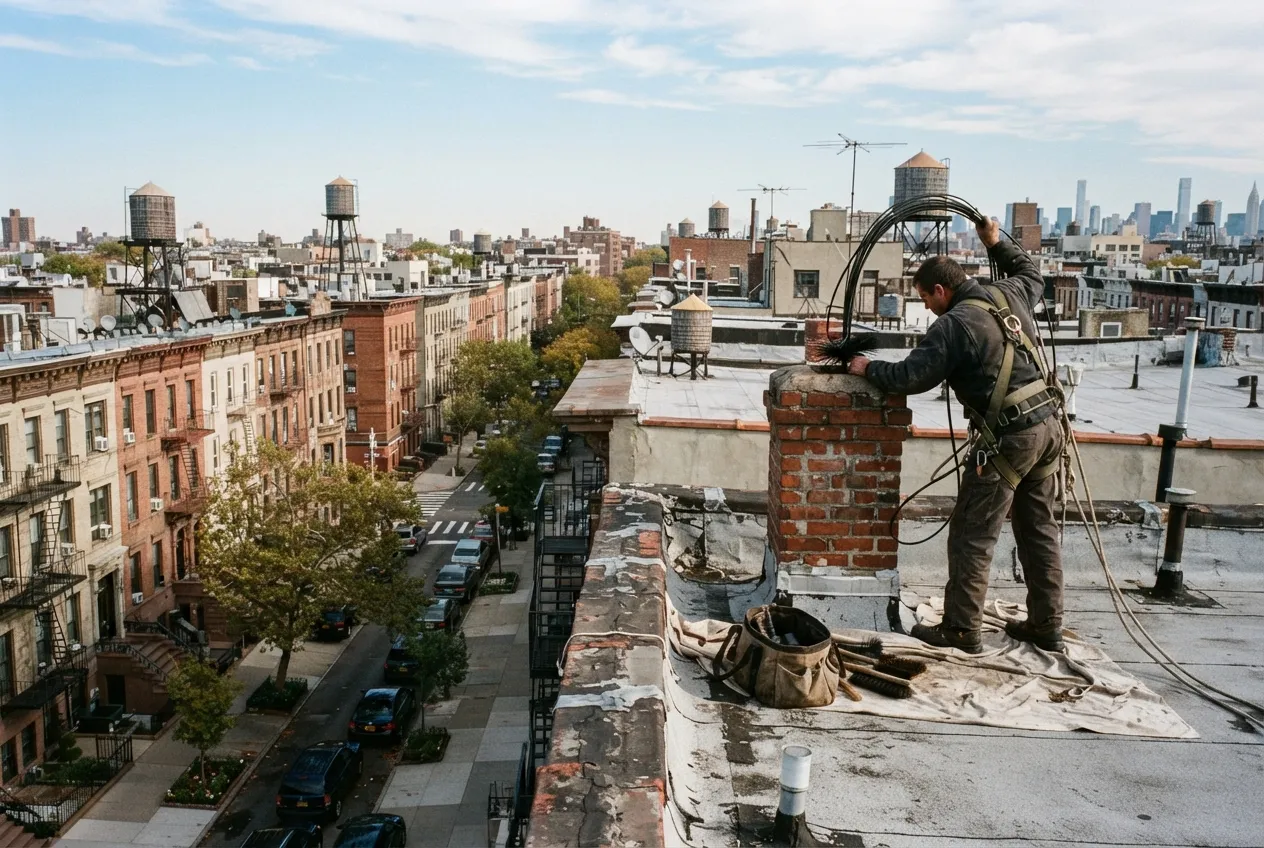
Chimneys in Kips Bay brownstones, rowhouses and apartment buildings should be inspected once a year, as the NFPA 211 standard recommends. Nexora's certified technicians perform Level 1, 2 and 3 inspections, and the right level depends on whether anything about your system has changed, whether the home is being sold or whether a hidden problem is suspected.
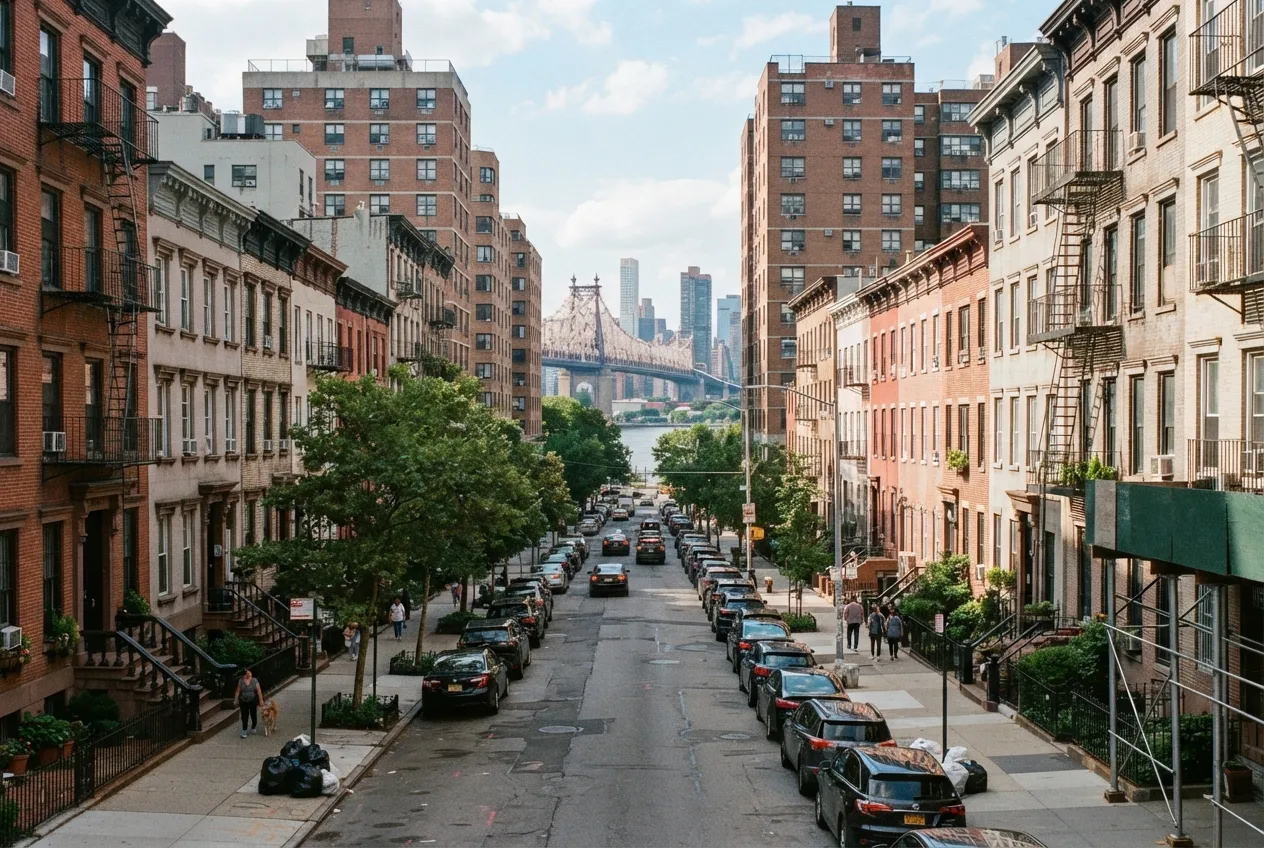
Kips Bay mixes pre-war apartment buildings, older rowhouses and brownstones, and newer towers, and many of them still depend on masonry chimneys for fireplaces, boilers or both. A chimney inspection tells you whether that flue is structurally sound, clear of blockages and suited to the appliance venting into it. Nexora Chimney Services sends certified technicians from our Gramercy office, about a mile away, to homes and buildings across the 10016 and 10168 ZIP codes. This page explains what an inspection covers, which level you probably need and when to schedule it.
Why yearly inspections matter for Kips Bay chimneys
The NFPA 211 standard calls for chimneys, fireplaces and vents to be inspected once a year. That advice matters in Kips Bay, where many chimneys are decades old and have been through repeated freeze-thaw cycles, building renovations and appliance changes. Mortar joints wear down, flue tiles crack and debris collects in places you can't see from the fireplace opening.
Timing also matters in New York City. The city's heat season runs from October 1 through May 31, and building owners must keep apartments heated to the city's minimum temperatures during that time. If a boiler flue problem turns up in January, repairs can collide with that obligation. An inspection in late summer or early fall leaves time to fix problems before the heat has to stay on.
Which inspection level do you need?
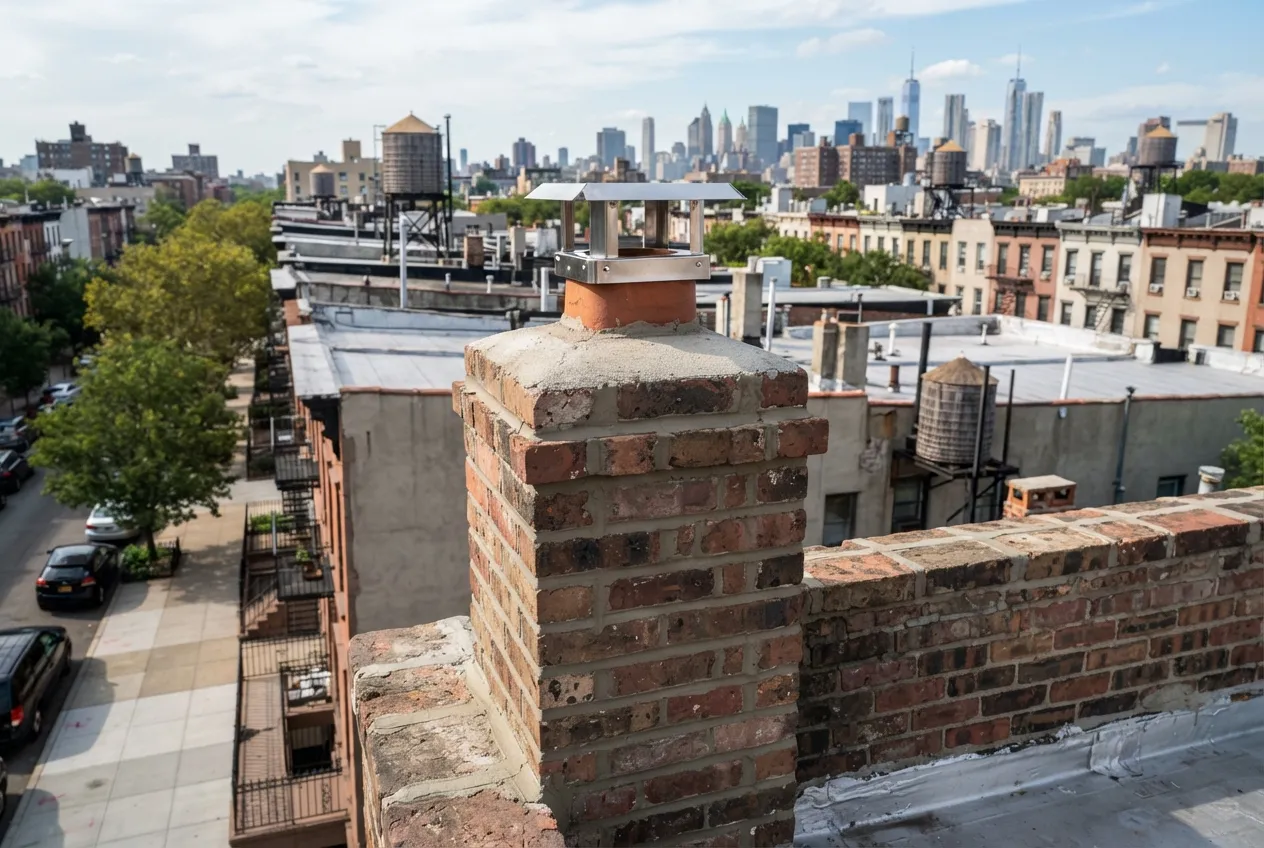
Chimney professionals use three inspection levels. Each one goes further than the one before it, so we recommend the level that fits your situation rather than defaulting to the most involved option.
- Level 1: For a chimney you use regularly when nothing about the system has changed. We examine the readily accessible parts of the chimney, the fireplace or appliance connection, and look for blockages and buildup.
- Level 2: Required when the system changes, such as a new boiler, a new insert or a switch from one fuel to another, and when a home is sold. It adds a closer look at accessible areas such as attics and basements, usually with a video scan of the flue interior.
- Level 3: Used when a hidden hazard can only be reached by opening part of the chimney or the building, for example after a chimney fire or when a Level 2 inspection finds evidence of concealed damage.
What our technicians check
Kips Bay housing ranges from fireplaces in brownstone parlor floors to tall boiler flues serving multi-unit buildings, so the details vary. A typical inspection covers:
- Flue liner condition, including cracked, shifted or missing tiles
- Creosote and soot buildup in wood-burning fireplaces
- Blockages from debris, nests or fallen masonry
- Damper operation and smoke chamber condition
- Chimney crown, cap and exterior brick and mortar where accessible
- Connections between the boiler, water heater or stove and the chimney
- Clearances to nearby woodwork and framing
Time for your annual chimney check?
Oil-to-gas conversions and chimney liners
Many older Manhattan buildings have moved, or are planning to move, from oil heat to gas. When a New York City building converts its boiler from oil to gas, the chimney has to be evaluated as part of the work. A new liner is often needed, because gas exhaust produces acidic condensate that can corrode a masonry flue designed for oil.
If your building is planning a conversion or has completed one without a chimney review, a Level 2 inspection will show whether the existing flue can safely handle the new appliance or whether relining should be part of the project.
Scheduling an inspection in Kips Bay and nearby
We work in occupied homes and buildings, so we plan visits around tenants, building staff and access to roofs and basements. For apartment buildings, coordinating with the super or management ahead of time keeps the visit short. For brownstones and rowhouses, we'll ask about recent work on the house, how often you use the fireplace and any smells, smoke or draft problems you've noticed.
Beyond Kips Bay, Nexora's technicians handle chimney inspections in Murray Hill, Gramercy, Midtown South, Flatiron and Union Square. After the inspection, we explain what we found in plain terms and tell you whether the chimney is ready to use, needs cleaning or needs repair.
More services in Kips Bay
- Chimney Sweep in Kips Bay
- Chimney Repair in Kips Bay
- Air Duct Cleaning in Kips Bay
- Chimney Liner Installation in Kips Bay