The short answer
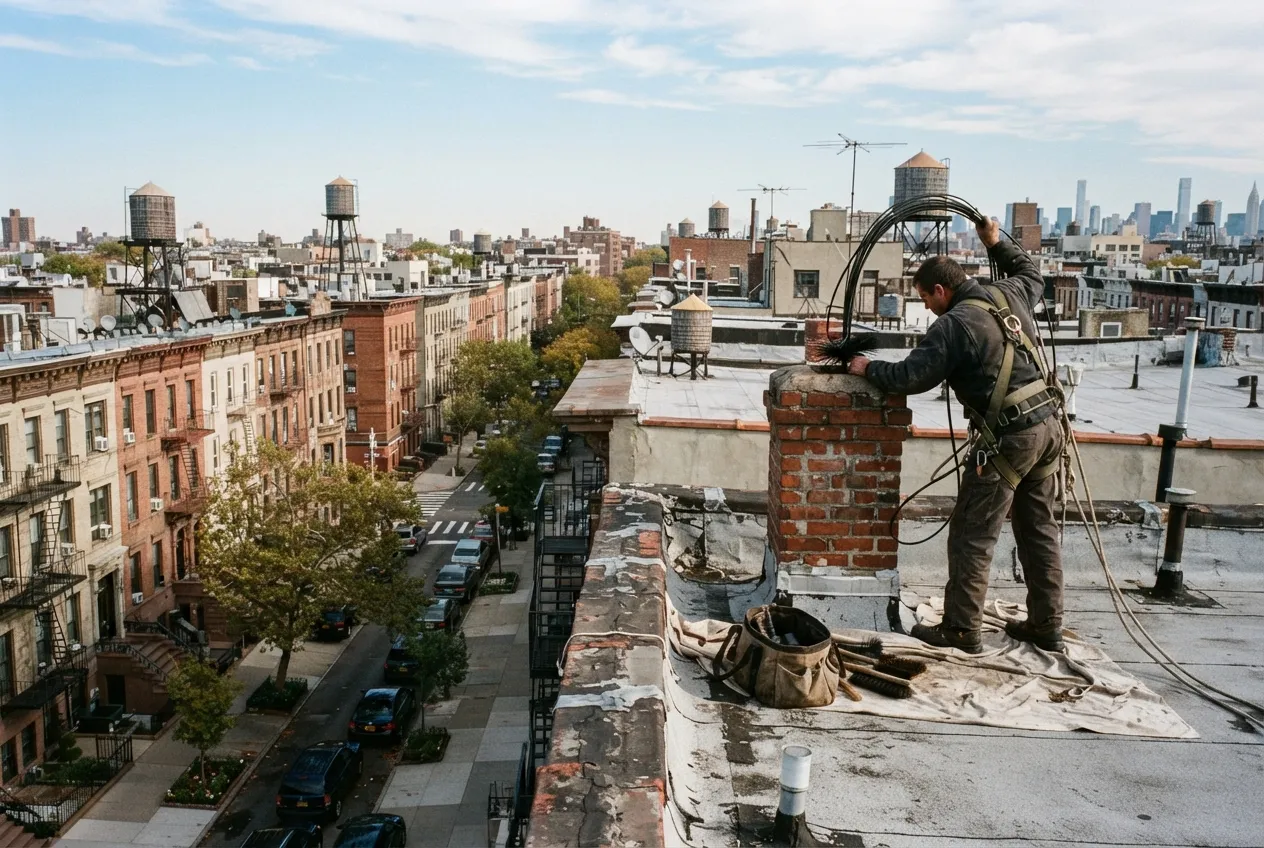
Nexora Chimney Services provides chimney, fireplace, dryer vent and air duct services throughout SoHo (ZIP 10012), about a mile from our Gramercy office. For most SoHo homes, the key steps are a yearly inspection, sweeping before heat season starts on October 1, and checking the liner after any oil-to-gas boiler conversion.
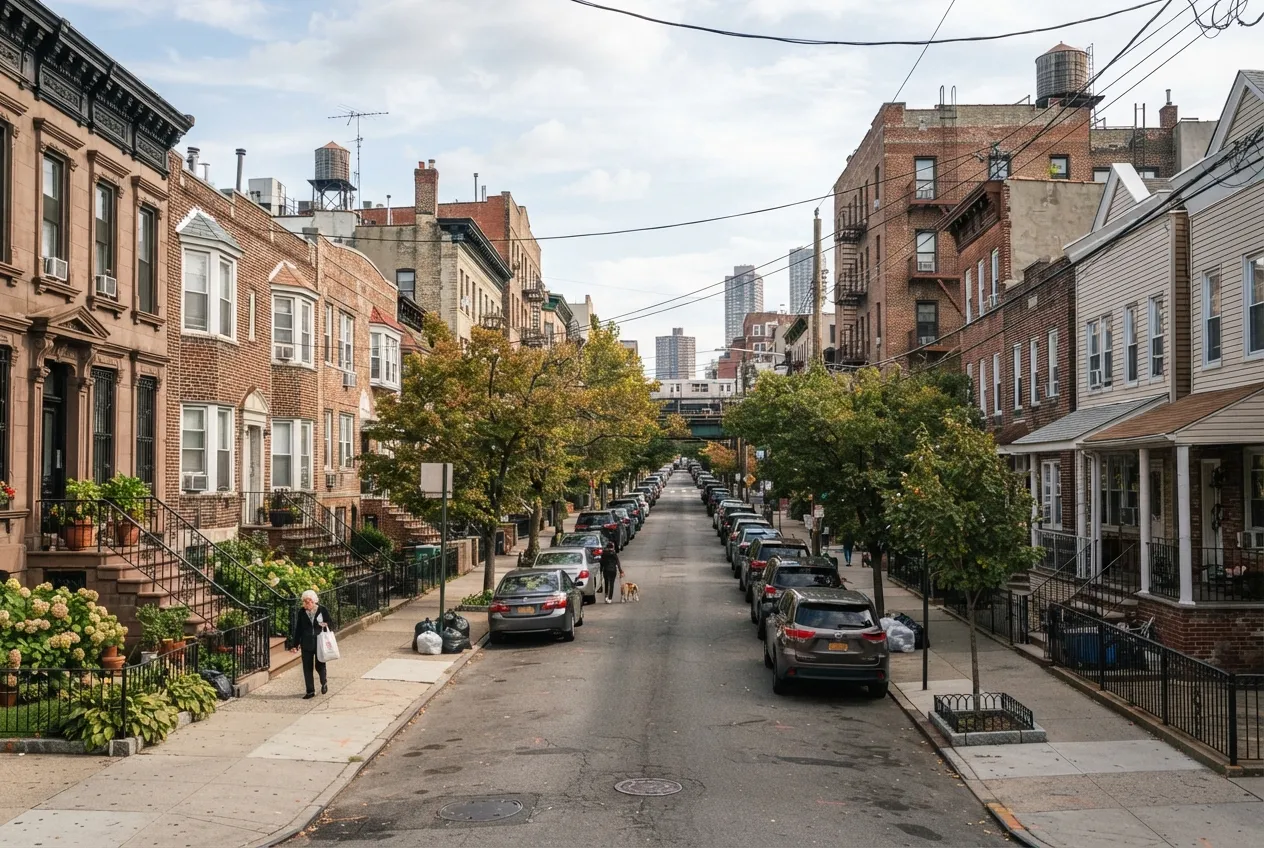
SoHo's housing stock is mostly older: converted loft buildings, pre-war apartment buildings, and a smaller number of rowhouses. Many of these buildings still rely on masonry chimneys for their boilers. Plenty of apartments and lofts also have working or decorative fireplaces, dryer vents that run long distances to the exterior, and ductwork added during renovations. Nexora Chimney Services is based in Gramercy, about a mile northeast of SoHo. Homeowners, co-op boards and building owners in ZIP code 10012 are a short trip for our certified technicians.
Chimney and vent services for SoHo homes
We handle the full range of chimney, fireplace and vent work for SoHo residences, from a routine sweep to rebuilding a deteriorated chimney above the roofline. Common requests in the neighborhood include:
- Chimney sweeps for wood-burning fireplaces in lofts and rowhouses
- Chimney inspections at Level 1, 2 or 3, depending on what has changed
- Chimney liner installation, especially after boiler conversions
- Chimney repair, waterproofing and rebuilding for weathered masonry
- Chimney caps and chase covers to keep out rain, debris and animals
- Fireplace and damper repair for units that haven't been used in years
- Dryer vent cleaning and air duct cleaning
Yearly inspections and New York City's heat season
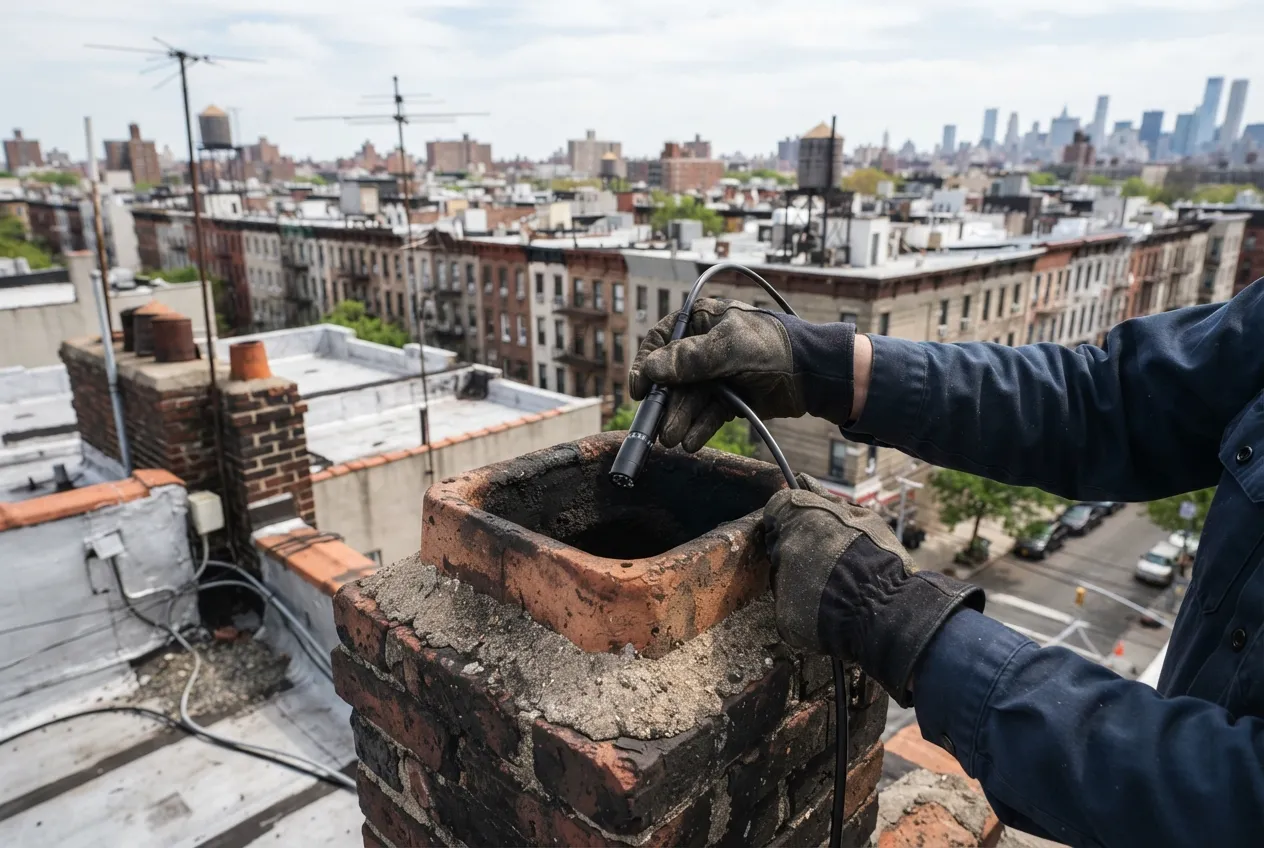
The NFPA 211 standard calls for chimneys, fireplaces and vents to be inspected once a year. A Level 1 inspection fits when nothing about the system has changed. A Level 2 inspection is the right choice when you switch fuels, add a new appliance, or buy or sell a home. Those situations are common in a neighborhood where units change hands and get renovated often. A Level 3 inspection is reserved for cases where a hidden problem can only be reached by opening part of the chimney or building.
Timing matters here. New York City's heat season runs from October 1 through May 31, and building owners must keep apartments heated to the city's minimum temperatures during those months. That makes late summer and early fall the practical window to inspect and sweep boiler chimneys. Any repairs can then be finished before the heat has to stay on.
Oil-to-gas conversions and chimney liners
Many older Manhattan buildings have converted their boilers from oil to gas, or are planning to. When a New York City building makes that switch, the chimney has to be evaluated as part of the work. A new liner is often needed because gas exhaust produces acidic condensate that can corrode a masonry flue over time.
We inspect the existing flue and explain what we find. When a liner is needed, we install one sized for the new appliance. If you're a co-op board or building owner weighing a conversion, bring the chimney into the conversation early rather than at the end of the project.
Time for your annual chimney check?
How SoHo's weather wears on masonry
Lower Manhattan's winters bring repeated freeze-and-thaw cycles, and coastal storms bring wind-driven rain in other seasons. Water that soaks into brick and mortar expands when it freezes. That loosens joints, cracks crowns, and lets moisture reach the flue and the interior walls around it. Humid summers can also cause musty fireplace odors when a damp chimney sits unused.
The fixes are usually straightforward if the damage is caught early. They include a properly fitted chimney cap or chase cover, repointing and crown repair, and a breathable waterproofing treatment on exposed masonry. When a chimney above the roofline has deteriorated too far for patching, partial or full rebuilding is the safer path.
Dryer vents and air ducts in apartments and lofts
Loft renovations often route dryer vents and HVAC ducts a long way through a building, which gives lint and dust more places to collect. According to the U.S. Fire Administration, failure to clean is the leading factor contributing to clothes dryer fires in homes. If your dryer takes longer to finish a load or the laundry area feels hot, the vent likely needs attention.
For air ducts, we follow the U.S. EPA's guidance. Cleaning makes sense when there is substantial visible mold growth, signs of vermin, or excessive dust and debris. The EPA also notes that duct cleaning has not been shown to prevent health problems. We'll tell you plainly whether your system actually needs cleaning, and we're careful about chemical treatments.
Nearby neighborhoods we serve
Beyond SoHo, our technicians regularly work in Greenwich Village, the West Village, the Lower East Side, the East Village and Gramercy, where our office is located. Housing in these neighborhoods is similar, with brownstones, rowhouses and pre-war apartment buildings, so the same approach to seasonal planning and inspections applies.
ZIP codes we serve
- 10012