The short answer
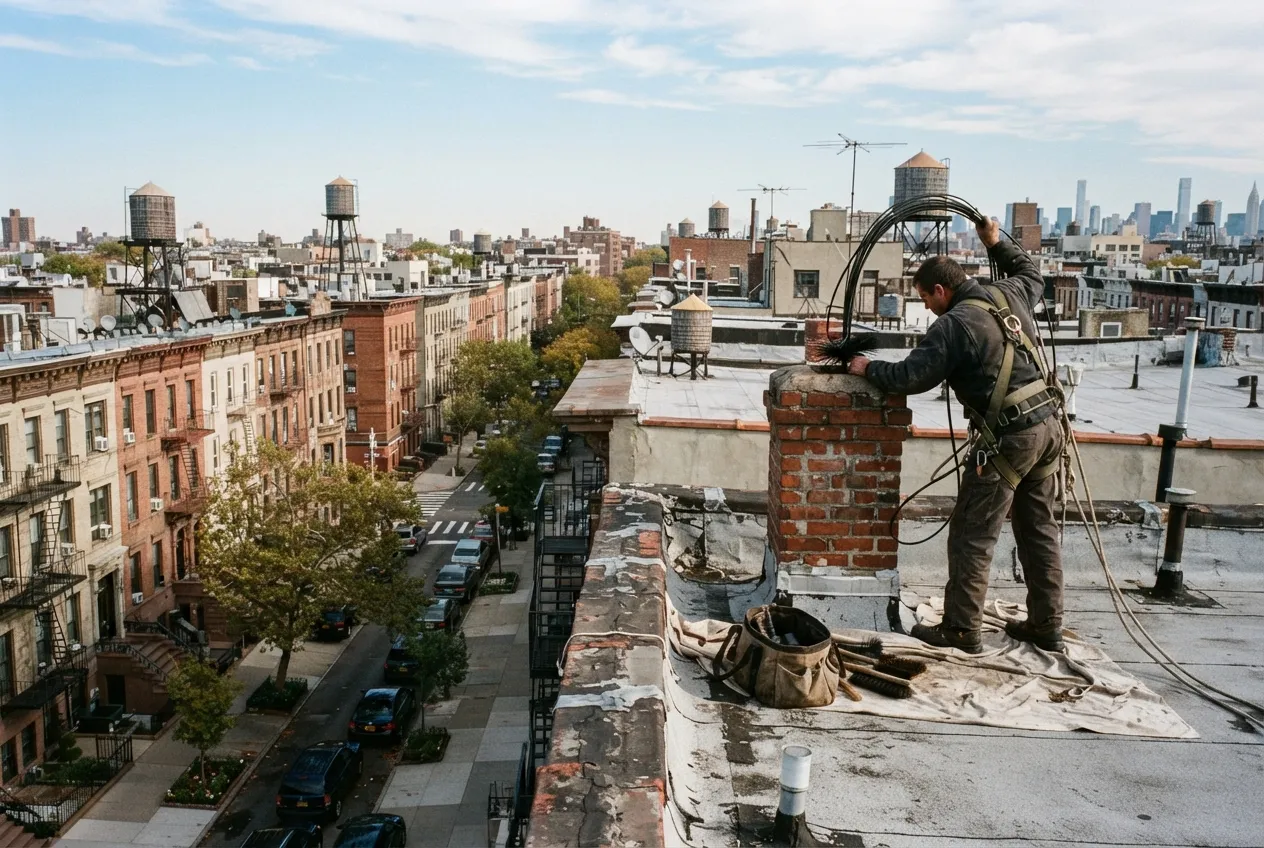
A chimney liner is the protective channel inside a masonry chimney that carries smoke and exhaust safely out of the building. In Gramercy's brownstones and pre-war buildings, liners are most often needed when old clay flues crack or when a boiler converts from oil to gas. Our certified technicians inspect the flue, size a liner to the appliance, and install it.
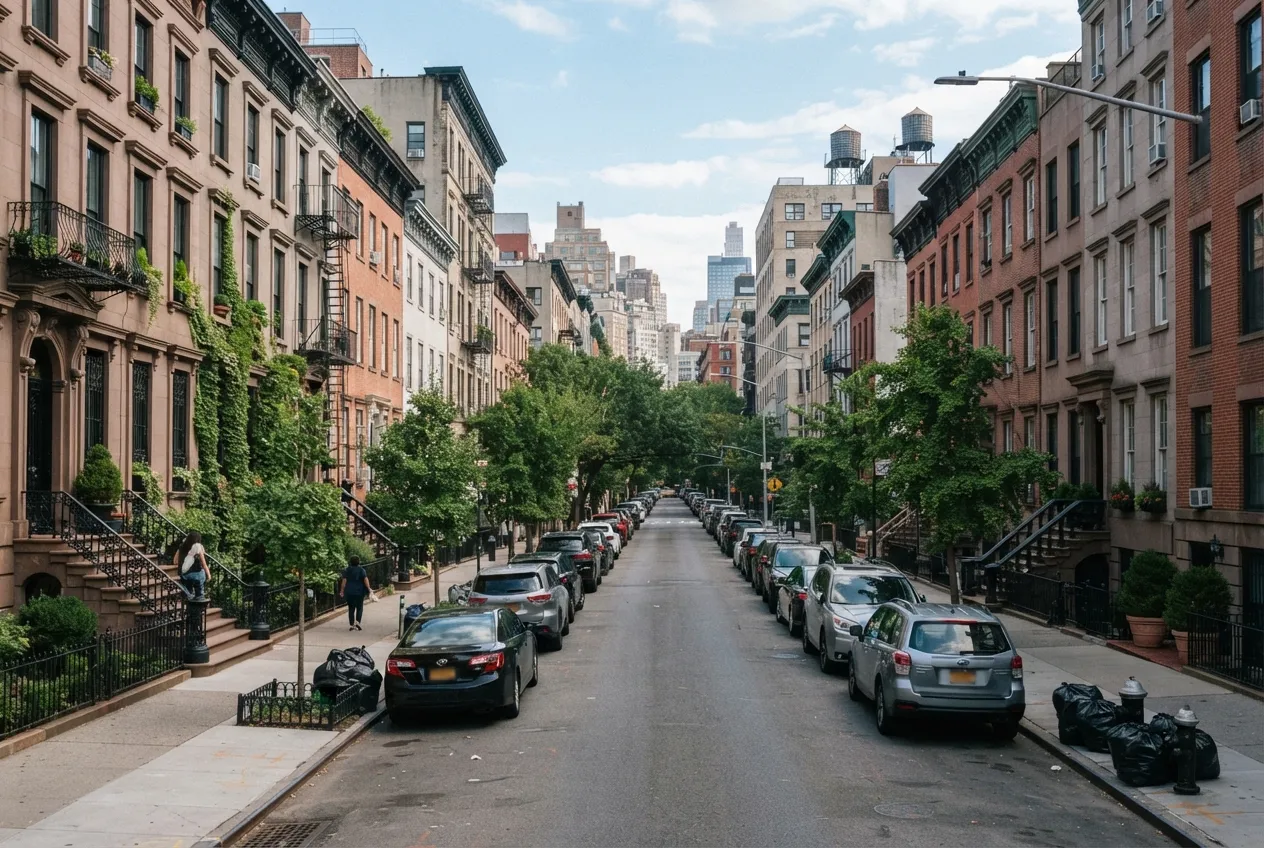
Nexora Chimney Services installs chimney liners for homes and buildings in Gramercy, working from our office at 304 E 20th St. Much of the neighborhood's housing is older masonry: brownstones, rowhouses, and pre-war apartment buildings with flues that were built for coal, wood, or oil. Over time, clay tiles crack, mortar joints wear away, and some chimneys were never lined at all. A properly sized liner protects the masonry, keeps exhaust moving up and out, and lets your fireplace, boiler, or water heater vent the way it was designed to.
Why Liners Matter in Gramercy's Older Buildings
Many Gramercy chimneys were built long before modern venting appliances existed. Some have terra-cotta clay tile liners that have shifted or cracked after decades of heating seasons. Others are bare brick inside, which lets heat, moisture, and exhaust gases work directly on the mortar.
In a rowhouse or brownstone that shares walls with neighbors, a damaged flue is a real concern. Gaps in a liner can let heat reach nearby framing or let exhaust leak into living space or an adjoining home. In pre-war apartment buildings, one chimney may serve a boiler that heats every unit, so a failing flue affects everyone in the building.
Oil-to-Gas Conversions and Your Chimney
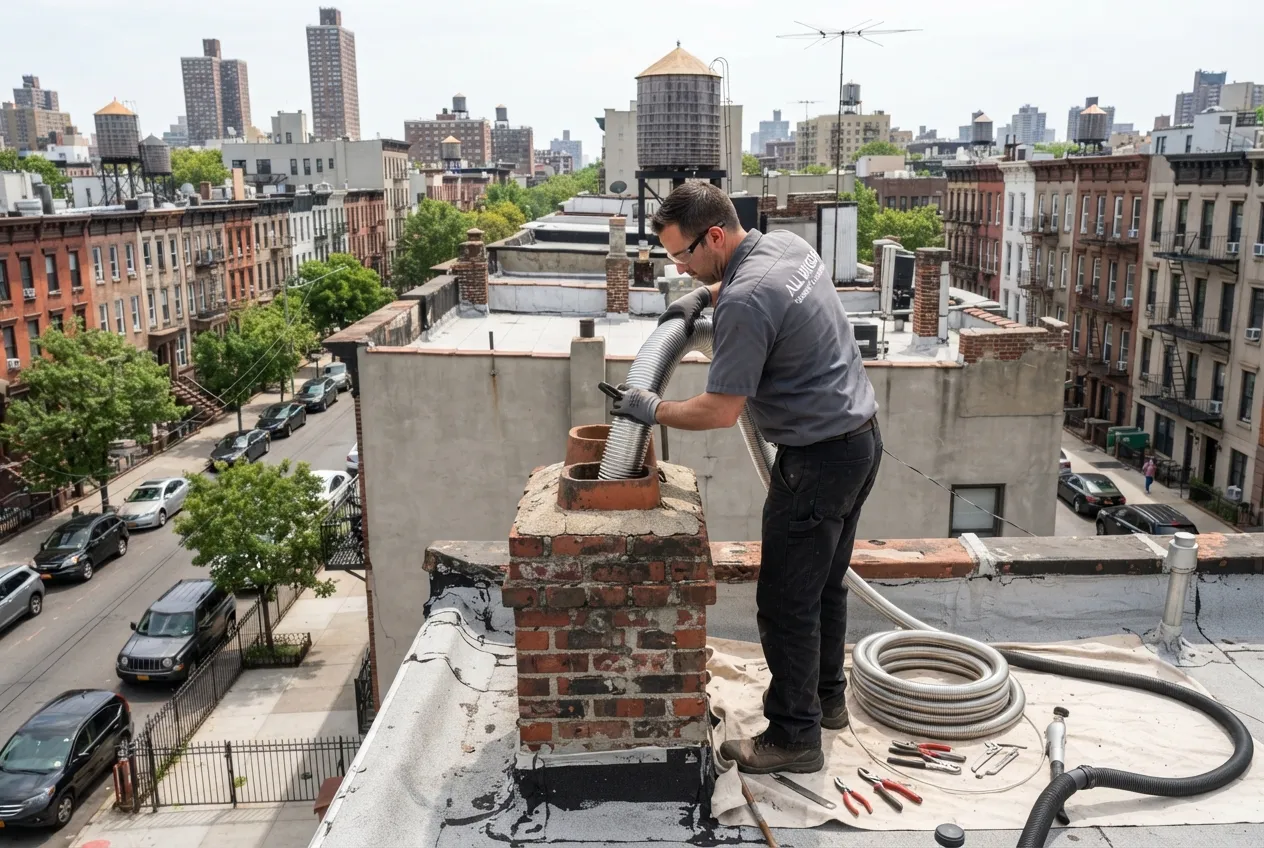
When a New York City building converts its boiler from oil to gas, the chimney has to be evaluated as part of the work. A new liner is often needed because gas exhaust produces acidic condensate. That moisture can corrode a masonry flue from the inside, breaking down mortar and tile in ways that are hard to see from the outside.
Gas appliances also tend to need a smaller flue than the original oil setup. An oversized flue lets exhaust cool too quickly, which increases condensation and can weaken draft. We size the new liner to the appliance it will serve so exhaust rises reliably.
Choosing the Right Liner
The right liner depends on what the chimney vents, the shape and condition of the existing flue, and how much room there is inside it. After inspecting the chimney, we explain which options fit and why.
- Stainless steel liners, flexible or rigid, for gas, oil, and many wood-burning appliances
- Insulated liner systems where extra heat protection or better draft is needed
- Cast-in-place liners, which form a new smooth flue inside a deteriorated masonry chimney
- Repair or replacement of clay tile liners where the original design can be kept
Time for your annual chimney check?
How a Liner Installation Works
The NFPA 211 standard calls for chimneys, fireplaces, and vents to be inspected once a year. When the system changes, such as a new appliance or a switch of fuel, a Level 2 inspection is the standard starting point, and it is also used when a home is sold. If a hidden problem has to be reached by opening part of the chimney or building, a Level 3 inspection may be needed.
A typical installation in Gramercy follows these steps:
- Inspect the flue, including a camera review of its full height
- Measure the flue and confirm the appliance's venting needs
- Coordinate roof access and timing with building management or a co-op or condo board when needed
- Clean the chimney and remove loose debris or old tile
- Install the liner, connections, top plate, and chimney cap
- Check that the system drafts properly and walk you through the results
Planning Around New York City's Heat Season
New York City's heat season runs from October 1 through May 31, and building owners must keep apartments heated to the city's minimum temperatures during that time. For a building with a central boiler, liner work during heat season needs careful scheduling so tenants are not left without heat.
Where possible, we recommend planning boiler conversions and liner projects for late spring or summer. If a problem turns up mid-winter, we work with you to keep downtime as short as we can.
Serving Gramercy and Nearby Neighborhoods
Our office is in Gramercy, so we work in the 10010 area regularly. We also install chimney liners in nearby Manhattan neighborhoods, including Stuyvesant Town, Peter Cooper Village, Midtown South, Flatiron, and Union Square. Whether you own a single brownstone or manage a pre-war building, we start with an inspection and a clear explanation of what your chimney needs.
More services in Gramercy
- Chimney Sweep in Gramercy
- Chimney Inspection in Gramercy
- Chimney Repair in Gramercy
- Air Duct Cleaning in Gramercy